-
-
-
Mon - Thursday: 8:00 am - 5:00 pm
Friday : By Appointment Only (We are closed public holidays)
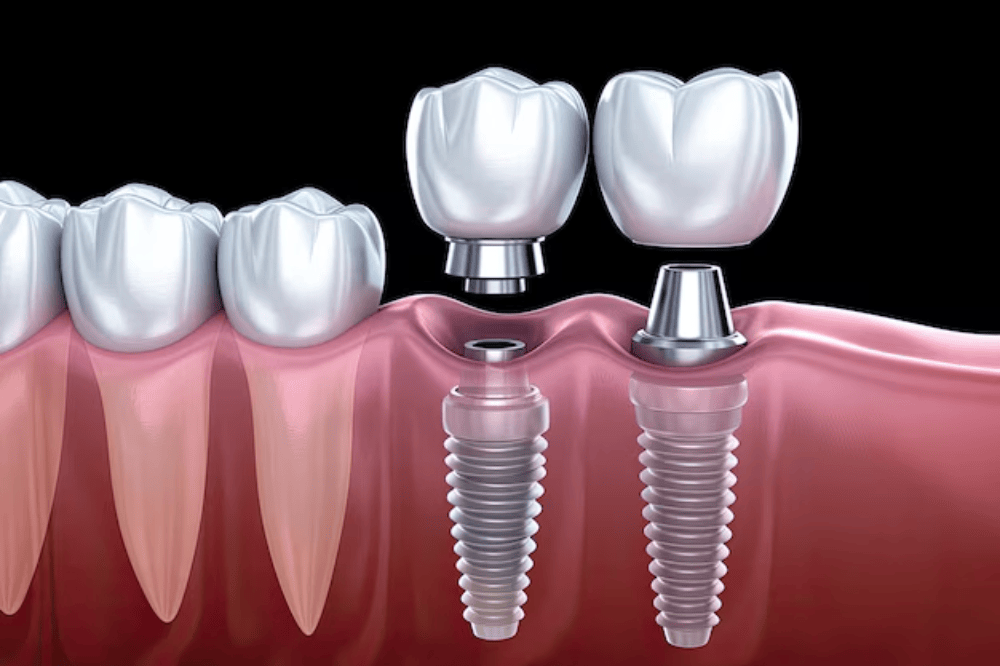
Tooth loss affects far more than appearance. When a tooth is missing, the surrounding bone and supporting oral structures begin to change almost immediately. Over time, this can alter facial shape, weaken bite strength, and interfere with everyday functions such as eating and speaking. Modern dental implants address these challenges by restoring both structure and function in a way that closely mirrors natural teeth.
Unlike removable solutions, implants interact directly with the jawbone, helping preserve oral health long after placement. Understanding how this process works explains why implants are often recommended as a long-term solution rather than a cosmetic fix.
What Happens to the Jawbone After Tooth Loss?
The jawbone needs stimulation for its bone and tissue to become or remain dense and healthy. Natural teeth provide stimulation through their daily use, like chewing and biting. When one tooth is lost, that stimulus no longer exists.
In turn, the body gradually starts to resorb bones it no longer uses.
Even though this process takes time, it is not interrupted. After several months or years, the jawbone eventually loses its volume and strength, which causes changes in the facial contour, teeth movements, and less support for future restorations.
This is one of the reasons why many patients who are dependent only on traditional dentures and dental services experience loosening, discomfort, or changes in fit of their dentures over time. Oral stability continues to decline unless the underlying bone loss is addressed.
How Dental Implants Protect Jawbone Structure
Dental implants function differently from bridges or removable appliances. An implant is surgically placed into the jawbone, acting as an artificial tooth root. Once healed, it integrates with the bone through a process known as osseointegration.
This integration allows the implant to transmit chewing forces into the jawbone, recreating the natural stimulation that prevents bone deterioration. The result is a stable foundation that helps maintain bone density where the tooth was lost.
Because implants interact directly with bone, they are one of the few restorative options that actively help preserve jaw structure rather than simply replacing visible tooth surfaces.
Restoring Oral Function Beyond Appearance
Keeping jawbone health intact means supporting oral function directly. Patients with a stable bone structure often have the benefits of better bite alignment, chewing efficiency, and speech articulation.
Implants let patients eat a broader variety of foods without the worry of movement or discomfort. Implants, as opposed to removable options, are always in their fixed place, which results in less pressure on the adjacent teeth and gums.
For those who have had problems with changing appliances or sore areas in their mouths, implant-based solutions usually give a significant rise in comfort and self-assurance during the day.
The Role of Oral Surgery in Implant Success
The placement of implants involves precise planning and skilled execution. Oral surgery dental implant procedures focus not only on positioning the implant correctly but also on ensuring the surrounding bone and soft tissue can support long-term success.
In some cases, preparatory procedures such as bone grafting may be recommended to rebuild areas that have already experienced bone loss. These steps help create a stable environment for the implant and reduce the risk of future complications.
Careful surgical planning allows implants to integrate naturally, minimizing disruption while maximizing durability.
Why Implants Outperform Traditional Tooth Replacement
The point of view of traditional dentures and dental services is mainly cosmetic; however, they do not affect the process of bone resorption in the underlying tissue. Gradually, this results in a necessity for more frequent adjustments, less support, and more discomfort.
On the other hand, dental implants fuse with the oral anatomy, thus providing a more certain and lasting remedy.
For many patients, implants provide a solution that reduces the need for frequent repairs and replacements; therefore, their clinical benefits are complemented by practical advantages.
Long-Term Benefits for Overall Oral Health
Jawbone health is vital for teeth stability and oral health. A healthy jawbone ensures good support for the face, prevents neighboring teeth from moving due to the changes in the bone, and even helps to maintain the bite mechanics correctly.
Moreover, those patients who go for implants usually experience the least complicated gum-related problems, namely irritation, pressure sores, or appliance movement. Implants don’t rely on nearby teeth for support, so they don’t damage natural tooth structure.
The benefits become increasingly significant with age, as the capability to maintain oral function becomes critical for both nutrition and the elderly’s quality of life.
A Patient-Focused Approach to Implant Care
At Amesbury Dental Associates, we start the dental implant treatment planning with an in-depth evaluation of the patient’s bone health, bite alignment, and long-term oral ambitions. We treat each case individually, carefully considering both function and aesthetics.
By means of preservation instead of quick fixes, implant maintenance is going to help the patients in keeping their comfort, confidence, and stability in their mouth for a residence of many years.
Final Thoughts
Tooth replacement is more than a matter of gap-filling. It means taking care of the base, which is important for all the dental care aspects, and the implants do that by giving support, preventing the jawbone from being absorbed, and allowing the natural function in an exceptional manner compared to other alternatives.
In the case of patients looking for a long-lasting solution that also helps maintain oral health over time, implants are still one of the best and most trustworthy options in today’s market.