-
-
-
Mon - Thursday: 8:00 am - 5:00 pm
Friday : By Appointment Only (We are closed public holidays)
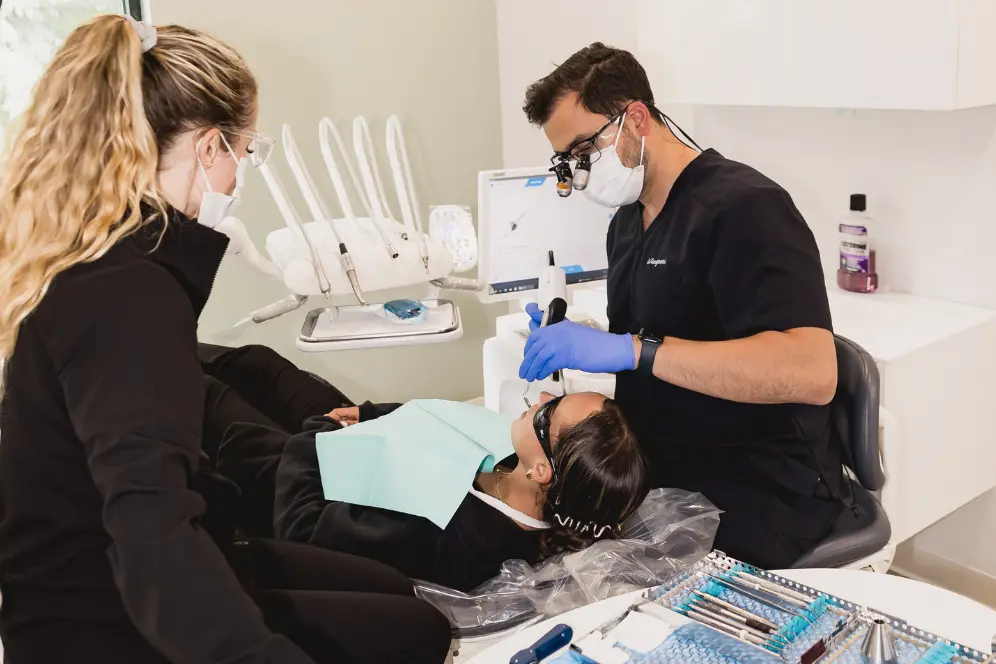
Dental anxiety is a common yet often overlooked concern that prevents many individuals from seeking timely oral care. If you feel nervous about the dentist, you are not alone. Millions of patients worldwide experience varying levels of fear, ranging from mild uneasiness to severe dental phobia. At Amesbury Dental Associates, we understand these concerns and strive to create a comfortable and supportive environment for every patient. Unfortunately, avoiding dental visits can lead to worsening oral health conditions, more complex treatments, and increased discomfort over time.
Understanding and managing dental anxiety is essential for maintaining both oral health and overall well-being. With the right approach, support, and techniques, achieving an anxiety-free dental visit is entirely possible. This guide provides practical, patient-centered dental anxiety tips designed to help you feel more comfortable, informed, and in control during your dental appointments.
Understanding Dental Anxiety
Dental anxiety can stem from multiple factors, including previous negative experiences, fear of pain, embarrassment about oral health, or a general sense of loss of control. For some individuals, even the anticipation of a dental visit can trigger physical symptoms such as sweating, increased heart rate, or difficulty sleeping. These concerns may also arise when considering treatments such as custom dental implants in Amesbury, where uncertainty about the procedure can further heighten anxiety.
Recognizing the root cause of your anxiety is the first step toward overcoming it. Whether your concern is related to specific procedures, instruments, or the clinical environment, identifying these triggers allows both you and your dental provider to address them effectively.
Why Addressing Dental Anxiety Matters
Avoiding dental care due to fear can have serious consequences. Untreated dental issues such as cavities, gum disease, or infections can progress and require more invasive treatments later. This not only increases discomfort but may also reinforce existing anxiety.
By actively coping with fear and prioritizing regular dental visits, you can:
- Prevent minor issues from becoming major problems
- Maintain a healthier smile and overall health
- Build confidence and trust in dental care
- Experience less invasive and more manageable treatments
Addressing dental anxiety is not just about comfort. It is about taking control of your long-term health.
Practical Dental Anxiety Tips for a Comfortable Experience
Managing dental anxiety requires a combination of preparation, communication, and relaxation techniques. The following strategies can significantly improve your comfort level before and during your visit.
1. Choose the Right Dental Practice
Selecting a dental clinic that prioritizes patient comfort is crucial. Look for practices that emphasize compassionate care, clear communication, and a welcoming environment. Many clinics today specialize in treating anxious patients and offer tailored approaches to ensure a positive experience.
A supportive dental team will take the time to understand your concerns, explain procedures in detail, and adjust their approach to suit your comfort level.
2. Communicate Your Concerns Openly
One of the most effective ways to reduce anxiety is through honest communication. Inform your dentist and dental staff about your fears, triggers, and past experiences. This allows them to adapt their techniques, provide reassurance, and proceed at a pace that feels comfortable for you.
Establishing a simple signal, such as raising your hand, can give you a sense of control during the procedure, allowing you to pause whenever needed.
3. Schedule Appointments Strategically
Timing can significantly impact your anxiety levels. Consider booking your appointment at a time when you are least likely to feel rushed or stressed. Morning appointments often work well, as they reduce the time spent anticipating the visit.
Avoid scheduling dental visits during particularly busy or emotionally demanding days to ensure you can approach the appointment with a calm mindset.
4. Practice Relaxation Techniques
Incorporating relaxation methods before and during your visit can help manage physical symptoms of anxiety. Deep breathing exercises are especially effective in calming the nervous system.
Try inhaling slowly through your nose for a count of four, holding briefly, and exhaling through your mouth for a count of six. Repeating this pattern can help reduce tension and promote a sense of calm.
Other helpful techniques include mindfulness, guided imagery, or listening to calming music through headphones during the procedure.
5. Bring a Support Person
If your anxiety feels overwhelming, consider bringing a trusted friend or family member to your appointment. Having someone familiar present can provide emotional reassurance and help you feel less alone in the experience.
Even if they remain in the waiting area, knowing they are nearby can offer significant comfort.
6. Understand the Procedure in Advance
Fear of the unknown often amplifies anxiety. Asking your dentist to explain the procedure step by step, including treatments such as the best teeth whitening options, can help demystify the process and set realistic expectations.
Understanding what will happen, how long it will take, and what sensations you may experience can make the situation feel more predictable and manageable.
7. Explore Sedation Dentistry Options
For patients with moderate to severe anxiety, sedation dentistry options can be a highly effective solution. These methods are designed to help you relax during dental procedures while ensuring safety and comfort.
Common sedation options include:
- Nitrous oxide, also known as laughing gas, which helps you feel relaxed during the procedure
- Oral sedation, which involves medication taken before the appointment
- IV sedation, a deeper level of sedation administered by trained professionals for complex procedures
Discussing these options with your dentist can help determine the most appropriate approach based on your level of anxiety and treatment needs.
8. Use Distraction Techniques
Keeping your mind occupied during the procedure can significantly reduce anxiety. Many dental clinics offer entertainment options such as television screens or music.
Alternatively, you can bring your own headphones and listen to podcasts, audiobooks, or calming playlists. Focusing your attention elsewhere helps minimize awareness of the procedure and creates a more relaxed experience.
9. Take Breaks When Needed
Anxiety can build up during longer procedures, making it important to take breaks when necessary. Do not hesitate to ask your dentist to pause if you feel overwhelmed.
Short breaks allow you to regroup, practice breathing techniques, and regain a sense of control before continuing.
10. Build Positive Experiences Gradually
If dental anxiety has kept you away from the dentist for a long time, consider starting with simple, non-invasive visits such as routine cleanings or consultations.
Gradually building positive experiences can help reshape your perception of dental care and reduce fear over time. Each successful visit reinforces confidence and trust in the process.
Creating an Anxiety-Free Dental Visit Environment
Modern dentistry has evolved significantly to prioritize patient comfort. Many clinics now incorporate calming design elements, advanced technology, and patient-focused care models to create a more relaxing atmosphere.
Features such as comfortable seating, soothing lighting, and friendly staff interactions can make a substantial difference in how you perceive your visit. Additionally, advancements in dental techniques have made many procedures faster, less invasive, and more comfortable than ever before.
Long-Term Strategies for Coping with Fear
Managing dental anxiety is an ongoing process that may require consistent effort and support. Developing long-term coping strategies can help you maintain regular dental visits without excessive stress.
Consider the following approaches:
- Practice relaxation techniques regularly, not just during dental visits
- Maintain open communication with your dental provider
- Reward yourself after appointments to create positive associations
- Seek professional support if anxiety becomes severe or unmanageable
In some cases, working with a therapist or counselor can help address deeper fears and provide additional coping mechanisms.
The Role of Trust in Dental Care
Trust plays a critical role in overcoming dental anxiety. Building a strong, respectful relationship with your dentist can transform your experience from one of fear to one of confidence and comfort.
A patient-centered dental approach focuses on empathy, transparency, and collaboration. When you feel heard and respected, it becomes easier to engage in your care and follow through with recommended treatments.
Final Thoughts
Dental anxiety is a valid and manageable concern that should never prevent you from receiving the care you need. By understanding your fears, exploring sedation dentistry options, and implementing practical dental anxiety tips, you can take meaningful steps toward a more comfortable and anxiety-free dental visit.
Prioritizing your oral health does not have to come at the cost of your peace of mind. With the right strategies and support, visiting the dentist can become a positive and empowering experience rather than a stressful one.
Taking that first step, whether it is scheduling a consultation or simply discussing your concerns, can set the foundation for a healthier smile and a more confident approach to dental care. Contact us now to begin your journey toward a stress-free dental experience.
Frequently Asked Questions (FAQs)
1. What is dental anxiety?
Dental anxiety refers to feelings of fear, stress, or nervousness associated with visiting the dentist. It can range from mild uneasiness to severe dental phobia that prevents individuals from seeking necessary oral care.
2. 2. What causes dental anxiety?
Common causes include past negative experiences, fear of pain, embarrassment about oral health, fear of needles or dental instruments, and a lack of control during procedures.
3. How can I reduce anxiety before a dental appointment?
You can reduce anxiety by scheduling appointments at convenient times, practicing deep breathing exercises, communicating your concerns with your dentist, and using relaxation or distraction techniques like music or guided meditation.
4. Is sedation dentistry safe for anxious patients?
Yes, sedation dentistry is generally safe when administered by trained professionals. Options like nitrous oxide, oral sedation, and IV sedation are commonly used to help patients feel relaxed and comfortable during procedures.
5. Can I request breaks during a dental procedure?
Absolutely. Most dentists encourage patients to signal when they need a break. This helps you stay in control and reduces feelings of overwhelm during treatment.