-
-
-
Mon - Thursday: 8:00 am - 5:00 pm
Friday : By Appointment Only (We are closed public holidays)
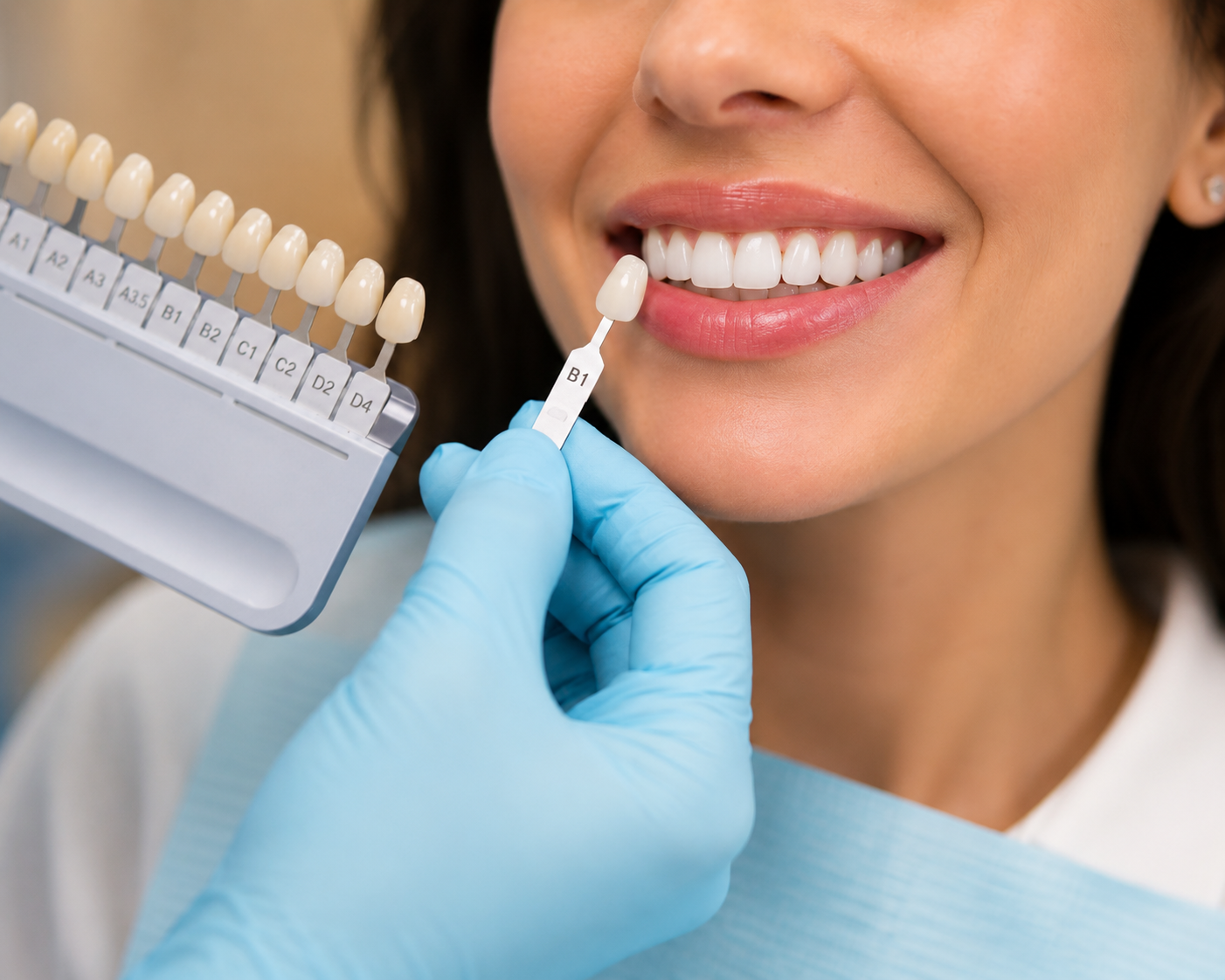
How long do veneers last is one of the most common questions people ask before choosing this cosmetic dental treatment. Veneers can transform the look of your smile by improving the shape, color, and appearance of teeth. With proper care and regular dental visits, veneers can provide long-lasting results and help you maintain a confident smile.
Many patients choose dental veneers because they offer a natural-looking way to correct issues like stains, small chips, uneven teeth, or gaps. However, the lifespan of veneers depends on several factors, including the material used, oral habits, and how well you follow proper maintenance steps.
Key Takeaways
- Veneers can last many years when properly cared for and maintained.
- Porcelain veneers usually have a longer lifespan than composite veneers.
- Good oral hygiene and regular dental checkups help protect veneers.
- Avoiding habits like nail biting and chewing hard objects can prevent damage.
- Professional advice can help you decide when it may be time to replace veneers.
What Is the Average Lifespan of Veneers?
The average veneer lifespan depends on the type of veneer material and the care it receives. At Amesbury Dental Associates, patients are guided on proper veneer care and maintenance to help protect their smile for years. In general, high-quality veneers can last anywhere from 10 to 15 years or longer with proper maintenance. Some patients enjoy their veneers for even more years when they follow good oral care habits and schedule regular dental checkups.
Veneers are thin shells placed over the front surface of teeth to improve their appearance. They are designed to be durable, but they are not permanent. Over time, normal wear, changes in your bite, or damage can affect their condition. With professional support from Amesbury Dental Associates, proper care and timely dental visits can help maintain the appearance and function of your veneers.
Common factors that influence how long veneers last include:
- The type of veneer material used
- Your daily oral hygiene routine
- Your eating habits
- Teeth grinding or clenching
- Regular dental checkups
A dentist can examine your veneers during routine visits and recommend steps to help extend their life.
How Long Do Porcelain Veneers Last Compared to Composite Veneers?
When considering veneers, many patients compare porcelain veneers and composite veneers. Both options can improve your smile, but they differ in durability, appearance, and expected lifespan.
Porcelain veneers are known for their strength and natural appearance. They resist stains well and often maintain their color for many years. Composite veneers are made from a tooth-colored resin material and can usually be repaired more easily, but they may not last as long.
The main differences include:
- Porcelain veneers: Often last around 10 to 15 years or more with proper care.
- Composite veneers: Usually last around 5 to 7 years before needing repair or replacement.
- Appearance: Porcelain often provides a more natural shine similar to real teeth.
- Maintenance: Composite veneers may require more frequent touch-ups.
Patients looking for long-term cosmetic results often consider porcelain options because of their strength and durability.
What Factors Affect How Long Do Veneers Last?
Understanding what affects veneer durability can help you protect your investment. Even high-quality veneers can experience problems if they are not cared for properly.
Several factors can impact the lifespan of your veneers:
Oral Hygiene Habits
Good brushing and flossing habits are important for protecting the teeth underneath veneers. While veneers themselves cannot develop cavities, the natural tooth structure beneath them still needs protection.
Teeth Grinding and Clenching
Grinding your teeth can place extra pressure on veneers. Over time, this pressure may cause cracks, chips, or loosening. If you grind your teeth at night, your dentist may suggest a custom mouthguard.
Food and Lifestyle Choices
Certain habits can increase the chance of veneer damage. Chewing ice, biting hard objects, or opening packages with your teeth can put unnecessary stress on veneers.
Dental Care Routine
Regular dental visits allow your dentist to check the condition of your veneers and address small concerns before they become bigger problems.
How to Care for Veneers and Extend Their Lifespan
Proper veneer care plays an important role in keeping your smile healthy and attractive. Although veneers are strong, they still require regular attention.
Following these simple habits can help maintain your veneers:
- Brush your teeth twice daily with a soft-bristle toothbrush.
- Floss regularly to remove plaque around your teeth and gums.
- Avoid biting hard foods like ice or hard candy.
- Limit foods and drinks that may stain natural teeth.
- Visit your dentist for routine cleanings and exams.
Knowing how to care for veneers properly can help prevent early damage and keep your smile looking fresh.
For patients interested in improving their smile, options like porcelain veneers Amesbury treatments can provide a customized approach based on your dental needs and goals.
Are Veneers Permanent or Do They Need Replacement?
Many people wonder if veneers are permanent. While veneers are designed to be long-lasting, they are not considered a lifetime treatment. Over time, they may need adjustments or replacement due to normal wear.
The need to replace veneers may happen because of:
- Chips or cracks in the veneer
- Changes in the natural tooth underneath
- Gum changes over time
- Worn or damaged bonding material
- Desire for an updated appearance
Regular checkups help your dentist determine whether your veneers are still healthy or if replacement may be needed.
Veneer Care vs Natural Teeth Care: What Is Different?
Caring for veneers is very similar to caring for natural teeth. The main difference is that veneers require extra attention to avoid damage to the thin material placed over your teeth.
A good maintenance routine includes:
- Using gentle brushing techniques
- Keeping gums healthy
- Avoiding harmful habits
- Attending professional cleanings
Proper veneers maintenance does not require complicated steps. Consistency is the most important part of keeping your smile healthy.
Many patients also explore other cosmetic options, such as clear aligners for teeth, when they want to improve tooth alignment along with the appearance of their smile.
Veneers Before and After: What Results Can You Expect?
Looking at veneers before and after results can help patients understand the possible changes they can achieve. Veneers can improve tooth color, shape, size, and overall smile balance.
Results may vary depending on:
- The condition of your natural teeth
- Your smile goals
- The type of veneers selected
- Your dentist’s treatment plan
A consultation with a dental professional can help you understand what type of results are realistic for your smile.
Are Veneers Better Than Other Cosmetic Dental Options?
Veneers are one option for improving the appearance of teeth, but they are not the only choice. Depending on your needs, your dentist may recommend alternatives.
For example, dental crowns may be better for teeth that need more structural support because of damage or decay. Veneers are mainly used for cosmetic improvements on the front surface of teeth.
A dental consultation can help determine whether veneers, crowns, or another treatment option is the best choice for your smile.
Can Veneers Get Cavities Underneath Them?
Many patients believe veneers completely protect their teeth from cavities, but this is not true. Veneers cover the front surface of teeth, while the natural tooth structure underneath remains vulnerable to decay if proper care is not followed.
Maintaining healthy teeth under veneers requires the same commitment as caring for natural teeth. Daily brushing, flossing, and routine dental exams are important parts of long-term veneer success.
To reduce the risk of cavities under veneers:
- Brush twice daily using fluoride toothpaste.
- Clean between teeth with floss or approved dental tools.
- Avoid frequent sugary snacks and drinks.
- Keep regular dental appointments.
Healthy teeth provide a strong foundation for veneers and can help improve their overall lifespan.
Conclusion: How Long Do Veneers Last?
So, how long do veneers last? With proper care, regular dental visits, and healthy habits, veneers can provide beautiful results for many years. Porcelain veneers often offer excellent durability, while composite veneers may require more frequent maintenance.
Taking care of your veneers through proper brushing, flossing, and professional cleanings can help extend their lifespan. Whether you already have veneers or are considering treatment, understanding proper care and maintenance can help you enjoy a confident smile for longer.
If you are considering veneers or want to learn more about maintaining your current smile, contact Amesbury Dental Associates today to schedule your consultation and discuss your veneer care options.
Frequently Asked Questions
How long do veneers last on average?
Veneers typically last between 10 and 15 years with proper care and regular dental visits. The exact veneer lifespan depends on the material used, oral hygiene habits, diet, and whether you avoid habits that can damage veneers, such as chewing hard objects or grinding your teeth.
Do porcelain veneers last longer than composite veneers?
Yes, porcelain veneers generally last longer than composite veneers. Porcelain is stronger, more stain-resistant, and can maintain its natural appearance for many years. Composite veneers may require repairs or replacement sooner, but they can still provide good cosmetic results when properly maintained.
How can I make my veneers last longer?
Following proper veneer care can help extend the life of your veneers. Brush and floss daily, visit your dentist regularly, avoid biting hard objects, and consider wearing a mouthguard if you grind your teeth. Good veneers maintenance helps protect both your veneers and natural teeth.
When should I replace my veneers?
You may need to replace veneers if they become cracked, chipped, loose, worn, or if the appearance changes over time. Regular dental checkups allow your dentist to monitor your veneers and recommend replacement only when necessary.
Can veneers get damaged like natural teeth?
Yes, veneers can chip or crack if exposed to excessive pressure or harmful habits. Although they are durable, they are not indestructible. Avoiding hard foods, maintaining good oral hygiene, and following your dentist’s recommendations can help keep your veneers in good condition.