-
-
-
Mon - Thursday: 8:00 am - 5:00 pm
Friday : By Appointment Only (We are closed public holidays)
Introduction
Porcelain veneers for chipped teeth can help cover small chips and improve the look of uneven teeth. Veneers are thin shells that a dentist bonds to the front surfaces of teeth. They can change the shape, size, and color of a tooth. However, veneers do not suit every tooth or dental concern.
Amesbury Dental Associates can help patients learn about cosmetic dental treatment and discuss whether veneers may be an appropriate option. The right choice depends on tooth health, bite, and the size of the chip.
Key Takeaways
- Veneers can improve the look of small chips and uneven edges.
- Healthy teeth and gums are important before treatment.
- Veneers cover the front of teeth but do not fix every dental problem.
- Some chips may need bonding, a crown, or another treatment instead.
- A dentist can explain the benefits, limits, and care needs.
How Can Porcelain Veneers Improve Chipped or Uneven Teeth?
Veneers are made to fit the front of a tooth. A dentist may use them to cover a small chip, smooth the look of an uneven edge, or make teeth appear more even. They can also help match tooth color. The goal is a natural look that fits the smile and bite. Veneers may be an option when the tooth is healthy and the chip is relatively small. A dentist will check the tooth before suggesting treatment.
What veneers may improve
- Small chips on the front of teeth
- Uneven tooth edges or shapes
- Gaps or small spaces between some teeth
- Stains that do not respond well to whitening
Veneers mainly change the appearance of teeth. They do not move teeth into new positions or treat decay. A dentist may suggest another option if a tooth has a large break, pain, or damage below the surface.
What Are Porcelain Veneers?
Porcelain veneers are thin, custom-made shells that cover the front of teeth. The dentist bonds each shell to the tooth with dental material. Porcelain can reflect light in a way that looks similar to natural tooth enamel. The shape and shade are planned to fit the smile. Patients considering porcelain veneers in Amesbury can ask a dentist whether this option suits their needs.
Treatment often includes a visit to plan the result, prepare the tooth, and place the veneer. Some tooth enamel may need to be removed so the veneer fits properly. Because enamel does not grow back, this preparation is generally permanent.
What to know before treatment
- Veneers are made to fit each tooth.
- Some enamel may need to be removed.
- Veneers do not protect every part of a tooth.
- A veneer may need repair or replacement over time.
A dentist will explain what the process involves before treatment begins. Ask about the expected result, how much enamel may be removed, and how to care for the veneer.
Who May Be a Good Fit for Veneers?
Veneers may be an option for adults with healthy teeth and gums who want to improve the appearance of small chips, uneven edges, or tooth color. The tooth must have enough healthy structure to support the veneer. A steady bite also matters because heavy pressure can damage veneers.
A dentist will check the teeth, gums, and bite before recommending treatment. If decay or gum disease is present, that problem may need care first.
Factors a dentist may review
- The size and location of the chip
- The health of the tooth and gums
- How the teeth meet when biting
- Habits such as nail biting or clenching
- The patient’s goals and care routine
Veneers may not be the best choice for people who grind their teeth or have large areas of damage. A dentist can discuss ways to lower the risk or suggest another treatment.
Veneers for Uneven Teeth: What Can They Change?
Veneers may make uneven teeth may help make teeth look more balanced by changing their shape, length, or color. They can sometimes make small gaps less noticeable. They do not straighten teeth or change the position of the roots. For that reason, a dentist must check whether the uneven look comes from tooth shape or tooth position.
If teeth are crowded or overlap, orthodontic care may be a better fit. In some cases, a mix of treatments may be considered.
When veneers may help
- One tooth looks shorter than nearby teeth.
- The edges of front teeth do not line up.
- A small gap affects the look of the smile.
- Tooth shape differs from the surrounding teeth.
Veneers can make the smile look more even, but the result depends on the starting tooth shape and bite. Ask the dentist to explain what veneers can change and what they cannot.
What Are the Benefits of Porcelain Veneers?
Potential benefits of porcelain veneers include a natural-looking finish, a custom fit, and the ability to address more than one cosmetic concern at a time. Veneers may cover small chips while also changing tooth shape or shade. They can be a long-term option when placed on healthy teeth and cared for well. Still, no treatment lasts forever. Veneers can chip or loosen, and the teeth underneath still need daily care.
Possible benefits
- A natural look that matches nearby teeth
- A custom shape and shade
- Coverage for some small chips and stains
- A result that may last for years with good care
The best result comes from careful planning and healthy teeth. A dentist can explain the likely benefits based on the condition of each tooth.
What Are the Limits and Risks?
Veneers cover the front of a tooth, but they do not make a weak or badly damaged tooth healthy. A large chip or crack may need a crown or another treatment. Veneers can also chip, loosen, or feel uncomfortable if the bite is not planned well. Because some enamel may be removed, getting veneers is usually not reversible. The tooth may always need a veneer or another covering.
Possible limits to consider
- Veneers may not suit large breaks or severe tooth damage.
- Some enamel removal is permanent.
- Veneers can chip or come loose.
- The color of a veneer cannot be whitened like natural teeth.
- Dental work may need repair or replacement later.
Before choosing veneers, ask about other options, costs, expected lifespan, and possible repairs. A clear plan can help patients make an informed choice.
Veneers or Dental Bonding: Which May Be Better?
Dental bonding uses tooth-colored material to repair a chip or change a small part of a tooth. It may be a good option for a small chip because it often requires less tooth preparation than a veneer. Veneers may be considered when a larger area needs a change in shape or color.
The best option depends on the size of the chip, the tooth’s health, and the desired result.
A simple comparison
- Bonding: Often used for small chips and minor changes.
- Veneers: May cover a wider area of the front tooth.
- Crowns: May be considered when a tooth needs more coverage or support.
Each option has benefits and limits. A dentist can compare the choices after checking the tooth and bite.
How to Care for Veneers
Veneers need the same daily care as natural teeth. Brush twice a day with fluoride toothpaste and clean between teeth once a day. Avoid biting hard items, such as ice or pen caps, because strong pressure may chip a veneer. Regular dental visits help the dentist check the veneer and the tooth beneath it.
If a veneer feels loose or becomes damaged, contact the dental office. Do not try to glue it back in place.
Daily care tips
- Brush gently with a soft-bristled toothbrush.
- Clean between teeth every day.
- Avoid using teeth to open packages.
- Wear a night guard if a dentist recommends one for grinding.
- Keep regular dental checkups.
Good care can help protect veneers and natural teeth. Ask the dentist if any habits or bite concerns may raise the risk of damage.
What Happens During a Veneer Consultation?
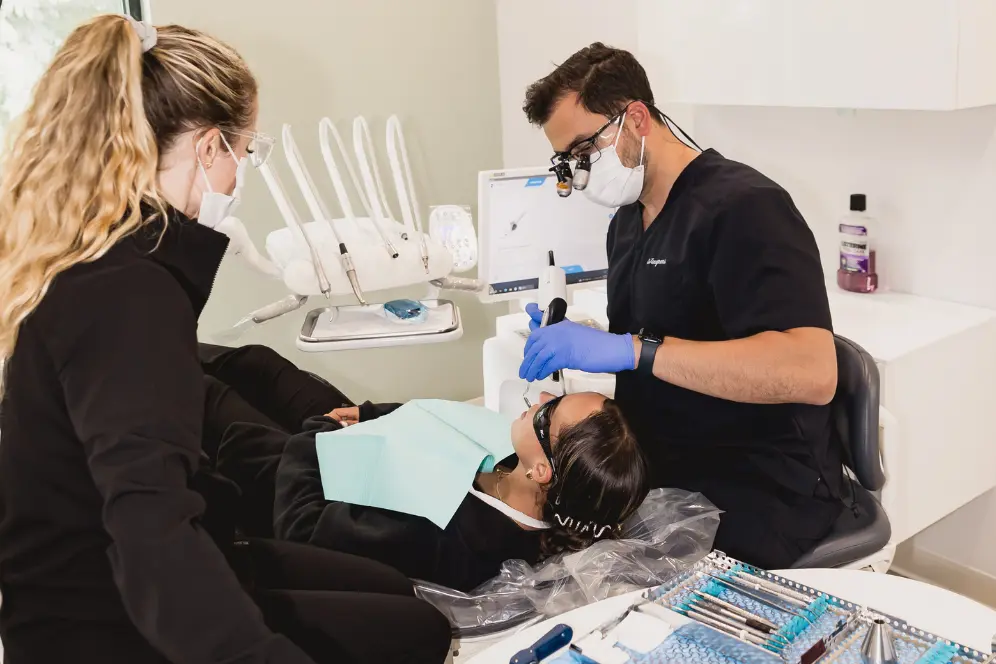
A consultation helps the dentist decide whether veneers are suitable. The dentist will ask about the patient’s goals and check the teeth, gums, and bite. X-rays or other checks may be needed if there is concern about tooth health. The dentist can then explain the options and expected steps.
Amesbury dental care starts with understanding each patient’s needs. During a veneer consultation, the dentist checks the teeth, gums, and bite, then explains whether veneers can improve a chipped or uneven tooth. Patients can also ask about enamel removal, aftercare, and alternatives such as bonding or a crown.
Conclusion
Veneers may improve the look of small chips and uneven teeth, but they are not right for every case. Tooth health, bite, and the size of the damage all matter. Bonding, orthodontic care, or a crown may be a better choice for some concerns. For guidance on cosmetic dental treatment, contact Amesbury Dental Associates to discuss whether veneers may suit your needs.
Frequently Asked Questions
Can veneers fix a chipped front tooth?
Veneers may cover a small chip on a healthy front tooth. A dentist must check the size of the chip first.
Can veneers make uneven teeth look straighter?
Veneers may make small shape differences less noticeable. They do not move teeth or correct the bite.
Are veneers a permanent treatment?
Veneers often require some enamel removal, so the treatment is usually not reversible. A veneer may need repair or replacement over time.
Are veneers better than bonding for chips?
Bonding may suit small chips, while veneers may help when a larger area needs a cosmetic change. A dentist can compare the options.
Do veneers need special care?
Veneers need daily brushing, cleaning between teeth, and regular dental visits. Avoid biting hard objects that may damage them.