-
-
-
Mon - Thursday: 8:00 am - 5:00 pm
Friday : By Appointment Only (We are closed public holidays)
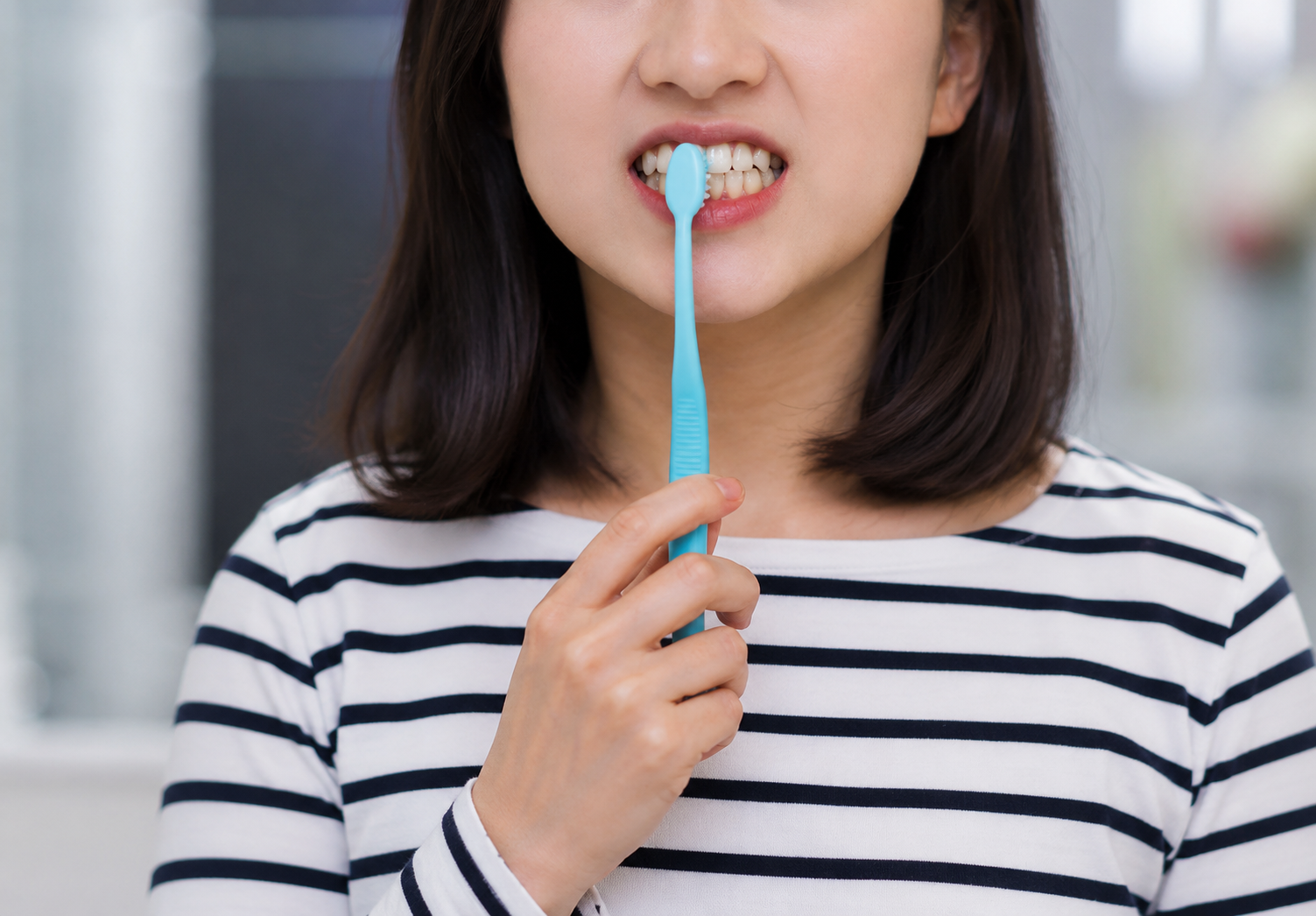
Brushing hard may seem like the best way to remove plaque and keep your teeth clean, but using too much pressure can actually do more harm than good. Over time, aggressive brushing can wear down tooth enamel, damage your gums, and lead to tooth sensitivity. At Amesbury Dental Associates, we help patients understand the importance of proper brushing techniques and provide preventive dental care to keep their teeth and gums healthy for years to come.
Key Takeaways
- Brushing harder does not clean your teeth better.
- Excessive force can damage enamel and gums.
- A soft toothbrush and proper brushing technique help protect your smile.
- Early treatment can prevent long-term dental problems.
What Does Brushing Hard Mean?
Many people think they need to scrub their teeth to remove plaque. However, brushing too hard means applying more pressure than necessary while brushing. Over time, this pressure can wear away enamel and irritate gum tissue, leading to problems that may require professional treatment.
How Can You Tell If You’re Brushing Too Hard?
Your toothbrush should clean your teeth without causing pain or damage. If you notice any of these signs, you may be using too much force:
- Your toothbrush bristles become frayed within a few weeks.
- Your gums feel sore or bleed after brushing.
- Your teeth become more sensitive to hot or cold foods.
These signs should not be ignored because they often indicate that your brushing technique needs improvement.
Why Is Brushing Hard Bad for Your Teeth?
Your tooth enamel is the hardest substance in your body, but it is not indestructible. Repeated aggressive brushing slowly removes the protective outer layer of the teeth. Unlike other parts of the body, enamel cannot grow back once it has worn away.
Enamel Wear Can Lead to Long-Term Problems
As enamel wear increases, your teeth become less protected from temperature changes, bacteria, and everyday chewing. This can lead to discomfort, staining, and a greater chance of developing cavities. Preventing enamel loss is much easier than repairing it later.
How Brushing Hard Affects Your Gums
Your gums are soft tissues that protect the roots of your teeth. Aggressive brushing can cause the gums to pull away from the teeth, exposing sensitive root surfaces. This condition is known as gum recession, and it often develops slowly over time.
What Happens When Gums Recede?
When gums recede, the exposed roots become more vulnerable because they are not protected by enamel. As a result, you may experience sensitivity while eating, drinking, or brushing. In more advanced cases, gum recession can affect the stability of your teeth if left untreated.
Toothbrush Abrasion Explained
Another common result of brushing hard is toothbrush abrasion. This occurs when excessive brushing gradually wears small grooves into the teeth near the gumline. These grooves often become deeper over time if the brushing habit continues.
Common Signs of Toothbrush Abrasion
The early signs may seem minor, but they can become more noticeable without treatment.
- Small notches near the gumline.
- Increased tooth sensitivity.
- Teeth that appear slightly darker because the inner tooth layer becomes exposed.
A dentist can identify toothbrush abrasion during a routine examination and recommend the best treatment before the damage worsens.
Does the Type of Toothbrush Matter?
Yes. The toothbrush you choose plays an important role in protecting your teeth and gums. Many people believe firm bristles clean better, but they often increase the risk of enamel wear and gum irritation.
Why a Soft Toothbrush Is the Better Choice
A soft toothbrush removes plaque effectively while being gentle on your enamel and gums. When combined with the right brushing motion, soft bristles provide excellent cleaning without causing unnecessary damage. Dentists generally recommend replacing your toothbrush every three to four months or sooner if the bristles become bent.
Are You Using the Proper Brushing Technique?
Many people focus on brushing harder instead of brushing correctly. The goal is to clean every surface of the teeth using gentle, controlled movements rather than force. A proper routine protects both your teeth and your gums while reducing the risk of enamel wear and gum recession. Maintaining good oral hygiene is also important for protecting dental restorations, including custom dental implants in Amesbury, helping them stay healthy and function properly for years to come.
The Right Way to Brush Your Teeth
To improve your proper brushing technique, remember these simple steps:
- Hold the toothbrush at a 45-degree angle to the gums.
- Use small circular motions instead of scrubbing.
- Brush for two full minutes twice each day.
- Apply gentle pressure and let the bristles do the work.
These habits help remove plaque effectively while keeping your smile healthy.
Who Is Most at Risk of Damage from Brushing Hard?
Anyone can develop problems from brushing hard, but some people are more likely to experience damage than others. Individuals with naturally thin enamel, existing gum recession, or sensitive teeth should be especially careful. Children can also develop poor brushing habits if they are not taught the correct technique at an early age.
Risk Factors to Watch For
You may be at a higher risk if you:
- Use a hard-bristled toothbrush.
- Brush with excessive force every day.
- Already have sensitive teeth or receding gums.
- Replace your toothbrush only after the bristles become badly worn.
If you notice any of these habits, changing your brushing technique can help protect your smile.
Can Damage from Brushing Hard Be Reversed?
The answer depends on how much damage has already occurred. Mild gum irritation often improves once you begin brushing gently. Early enamel damage may also be managed with preventive treatments that strengthen the teeth.
Treatment Depends on the Severity
If the damage is more advanced, your dentist may recommend professional care to restore your smile. During a routine dental cleaning, plaque and tartar are removed while your dentist checks for signs of enamel wear, gum recession, and other concerns. Early treatment often prevents more complex procedures later.
How Dentists Treat Damage Caused by Brushing Hard
If aggressive brushing has affected your teeth or gums, your dentist will recommend treatment based on the amount of damage present. The goal is to relieve discomfort, protect the teeth, and prevent additional wear.
Common Treatment Options
Depending on your condition, treatment may include:
- Fluoride treatments to strengthen weakened enamel.
- Tooth-colored bonding to repair worn areas.
- Gum treatment for recession when necessary.
- Personalized advice to improve your brushing habits.
In severe cases involving tooth replacement, your dentist may also discuss the dental implant process if damaged teeth cannot be saved.
How to Prevent Damage from Brushing Hard
The best way to protect your teeth is to brush gently and consistently. Small changes in your daily routine can make a big difference over time.
Healthy Brushing Habits
To reduce the risk of future damage:
- Brush twice each day for two minutes.
- Replace worn toothbrushes regularly.
- Avoid applying unnecessary pressure.
- Visit your dentist for routine checkups.
Patients using dental aligners should also follow their dentist’s cleaning instructions to keep both their teeth and aligners in excellent condition.
When Should You Visit a Dentist?
If your teeth feel sensitive or your gums continue to bleed even after improving your brushing habits, it is time to schedule a dental examination. Early care allows your dentist to identify small problems before they become more serious.
Signs You Should Not Ignore
Contact your dentist if you notice:
- Ongoing tooth sensitivity.
- Gums pulling away from your teeth.
- Grooves near the gumline.
- Bleeding that continues after brushing gently.
Prompt treatment helps protect your smile and prevents additional damage.
Conclusion
Although many people believe that brushing hard leads to cleaner teeth, the opposite is often true. Excessive brushing pressure can wear down enamel, cause gum recession, and increase tooth sensitivity over time. Learning the proper brushing technique and using a soft toothbrush are simple ways to protect your smile for years to come.
At Amesbury Dental Associates, our experienced team provides personalized preventive care and restorative treatments to help patients maintain healthy teeth and gums. We also offer custom dental implants in Amesbury for patients who need long-term tooth replacement solutions. Ready to protect your smile? Contact Amesbury Dental Associates today to schedule your appointment and receive expert dental care tailored to your needs.
Frequently Asked Questions
Is brushing harder better for removing plaque?
No. Brushing harder does not remove more plaque. Gentle brushing with the correct technique is much more effective and safer for your teeth and gums.
Can brushing hard cause permanent damage?
Yes. Over time, aggressive brushing can lead to enamel wear, gum recession, and toothbrush abrasion. Since enamel cannot grow back, preventing damage is very important.
What type of toothbrush should I use?
Most dentists recommend using a soft-bristled toothbrush because it cleans effectively while reducing the risk of damaging your enamel and gums.
Can sensitive teeth be caused by brushing too hard?
Yes. As enamel wears away and gums recede, the sensitive inner parts of the teeth become exposed, making hot, cold, or sweet foods uncomfortable.
How can I brush my teeth correctly?
Brush twice a day using gentle pressure, hold your toothbrush at a 45-degree angle to the gums, use small circular motions, and brush for about two minutes each time.