-
-
-
Mon - Thursday: 8:00 am - 5:00 pm
Friday : By Appointment Only (We are closed public holidays)
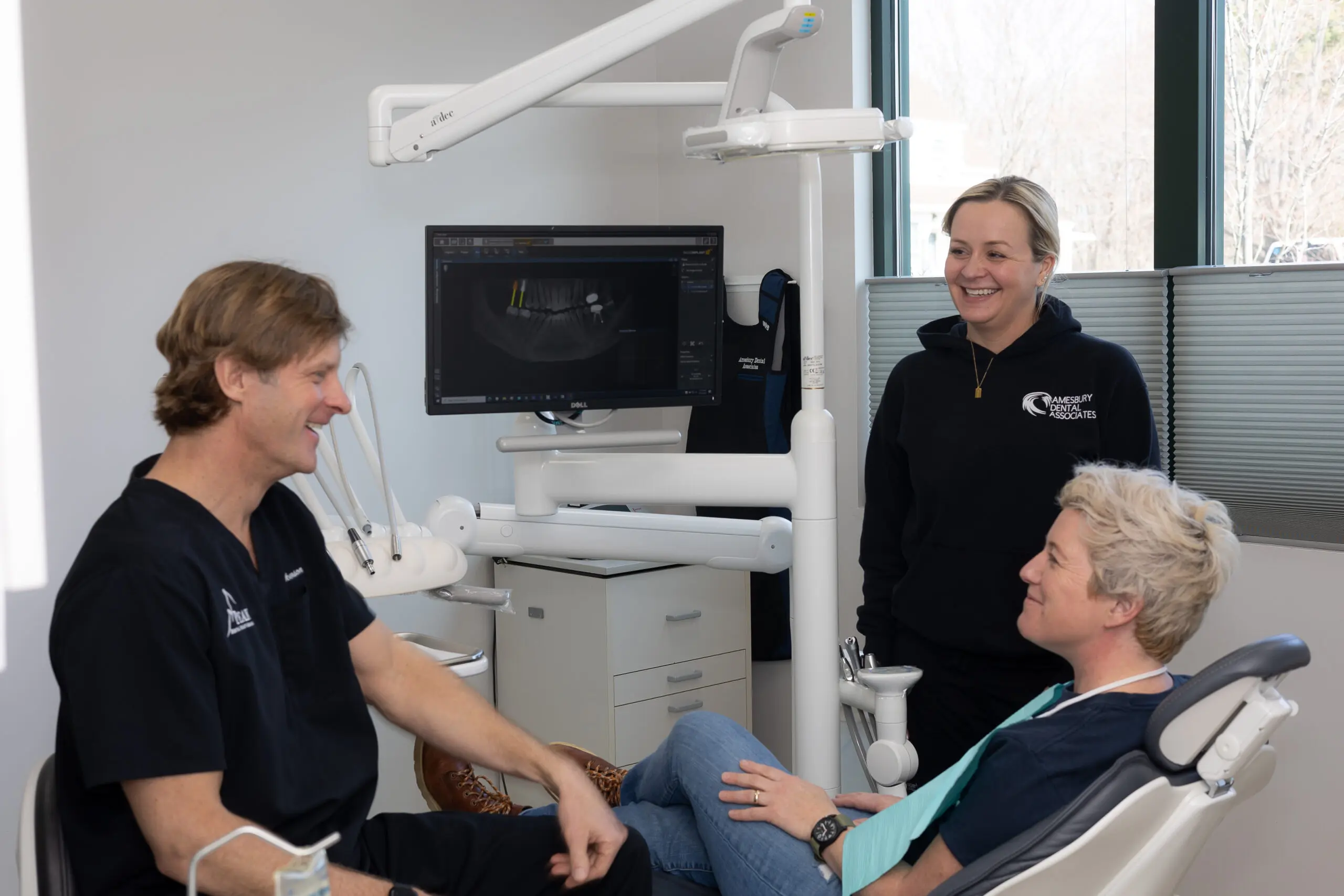
Clear aligners for teeth are a popular choice for people who want a straighter smile without traditional metal braces. These clear, removable trays can gently move teeth into better positions over time. At Amesbury Dental Associates, we know every smile is different, so treatment should begin with your goals, your teeth, and your overall oral health.
If you have crooked, crowded, or spaced teeth, you may wonder whether aligners can help. They can correct many common alignment concerns, but they are not right for every patient. A dental evaluation can help you understand what treatment may work best for your smile.
Key Takeaways
Clear aligners can be a convenient and discreet way to improve tooth alignment. They are often helpful for mild to moderate concerns and can fit well into an active daily routine.
- They may improve crooked, crowded, or spaced teeth.
- They are removable for eating and daily oral care.
- Consistent wear is important for good results.
- Healthy teeth and gums should be addressed before treatment.
- Some complex cases may need another treatment option.
- Retainers may be needed after treatment.
What Are Clear Aligners for Teeth?
Clear aligners are thin, custom-made trays that fit over your teeth. Instead of brackets and wires, they use gentle pressure to guide selected teeth into planned positions. You usually move through a series of trays, with each set making a small change.
One of the biggest benefits is that aligners can be removed. You can take them out while eating, brushing, and flossing. They are also much less noticeable than metal braces, which makes them appealing to many adults and teens.
How Do Clear Aligners Work?
Treatment begins with an examination of your teeth, gums, and bite. Your dentist may also use dental images or digital scans to understand your smile and plan the movements. A series of custom aligners is then made for your treatment. Each tray is worn for a set period before you move to the next one. As you progress, your teeth gradually move toward their planned positions. The process is simple, but your role matters. Because aligners are removable, you need to wear them as directed and put them back in after meals and cleaning.
Who Is a Good Candidate for Clear Aligners?
A good candidate is usually someone with healthy teeth and gums who has an alignment problem that can be treated with removable trays. Age alone does not decide whether aligners are suitable. Your dentist will look at your dental needs, bite, and treatment goals. You may be a good candidate if you have mild to moderate crowding, small spaces, slightly crooked teeth, or certain bite concerns. You also need to be willing to follow your treatment plan and attend follow-up visits.
Can Clear Aligners Fix Crooked Teeth?
Clear aligners for crooked teeth can help move teeth that sit at an angle, overlap other teeth, or sit outside their ideal position. The amount of correction depends on how much movement is needed and why the teeth are crooked.
For some patients, only a few teeth need to move. For others, several teeth may need to be adjusted to create a balanced smile. Better alignment may also make some areas easier to brush and floss.
What Causes Crooked Teeth?
Crooked teeth can develop for different reasons. Some people naturally have teeth that do not line up evenly. Others may notice changes as they grow or as teeth shift over time.
Common factors include limited space, tooth size and shape, early tooth loss, changes in nearby teeth, childhood habits, and natural movement with age. Your dentist can help identify the cause and decide whether aligners are appropriate.
Can Clear Aligners Fix Gaps?
Clear aligners for gaps may help close certain spaces between teeth. Small gaps are common and may not cause health problems, but some people want to close them because they do not like the appearance.
The location and cause of a gap matter. Your dentist will examine the teeth and surrounding tissues before deciding how the space should be treated. The goal is not simply to close a gap, but to create a balanced and healthy smile.
Can Clear Aligners Fix Crowded Teeth?
Clear aligners for crowded teeth may be useful when teeth overlap because there is not enough room for them to sit properly. Crowding can affect just a few teeth or a larger part of the smile. Mild to moderate crowding may respond well to aligners. More serious crowding can require another approach. Your dentist will look at the available space and determine how teeth can move safely.
Treating crowding may also make daily oral care easier. When teeth overlap, some areas can be harder to reach with a toothbrush or floss. Better alignment can improve access, but regular dental care is still essential.
Can Clear Aligners Fix Bite Problems?
Clear aligners can correct some bite problems, but they are not suitable for every type or severity of bite issue. Your bite describes how the upper and lower teeth meet when your mouth is closed. Problems such as an overbite, underbite, crossbite, or open bite can have different causes. Some involve tooth position, while others may involve the jaw. During your first dental visit, your dentist will examine your teeth, bite, and overall oral health to determine whether clear aligners are a suitable option for you. A proper evaluation helps your dentist recommend the most appropriate treatment approach for your individual needs.
Why Is Your Bite Important?
A good treatment plan should consider more than how straight your front teeth look. Your teeth also need to meet comfortably and work together during everyday activities. Your dentist may evaluate tooth position, available space, gum health, existing fillings or crowns, and how the upper and lower teeth meet. The goal is to improve your smile while supporting comfortable function.
Who May Not Be a Good Candidate?
Clear aligners are not the best choice for everyone. Some patients have dental or orthodontic problems that should be treated first. Others have alignment concerns that are too complex for clear trays alone.
Untreated tooth decay or gum problems should be addressed before orthodontic treatment. Severe tooth movement or complex jaw problems may also require another option. This does not mean you cannot improve your smile. It means your treatment should match your needs.
What Happens During a Clear Aligner Consultation?
A consultation is the first step in finding out whether aligners are right for you. Your dentist will discuss what you want to change and examine your teeth, gums, and bite.
You can also ask about treatment time, comfort, cost, daily care, and expected results. A clear conversation before treatment can help you feel confident about your decision.
Questions to Ask Your Dentist
- Am I a good candidate for aligners?
- What concerns can treatment correct?
- How long could treatment take?
- How often will I need checkups?
- What happens if my teeth do not move as planned?
- Will I need a retainer?
- What will treatment cost?
How Long Does Treatment Take?
Treatment time varies from one patient to another. Someone who needs a small amount of movement may finish sooner than someone with several alignment or bite concerns. Treatment time can depend on the number of teeth being moved, the amount of movement required, and how closely you follow your dentist’s instructions. Your dentist can provide a more useful estimate after examining your smile.
What Can Affect Treatment Time?
Several factors can influence your timeline, including the complexity of your case, consistent aligner wear, how your teeth respond, missed appointments, and lost or damaged trays. Following your treatment plan can help keep your progress on track. If an aligner no longer fits or is damaged, contact your dental office rather than guessing what to do next.
What Should Amesbury Patients Know About Invisalign Aligners?
Patients considering invisalign aligners may like the idea of straightening their teeth without traditional metal braces. Invisalign uses a series of clear, removable trays that are designed to gradually move teeth into better positions. The trays are discreet, so many patients feel comfortable wearing them at work, school, or during everyday activities. If you are considering Invisalign in Amesbury, the first step is finding out whether this treatment is right for your smile. Your dentist can examine your teeth, discuss your concerns, and explain what kind of results you may be able to achieve.
How Should You Care for Your Aligners?
Taking care of aligners should become part of your daily routine. Clean trays are more comfortable and can help you maintain good oral hygiene during treatment. Remove your trays as directed, clean them according to your dental team’s instructions, and keep them in their case when you are not wearing them. Avoid very hot water because heat can affect the material.
Can Aligners Work With Other Dental Treatments?
Sometimes patients need more than one type of dental treatment. Alignment may be planned alongside other care depending on the condition of the teeth. For example, restorative dental care may be needed if you have damaged or weakened teeth. Your dentist may consider the timing of that care when planning tooth movement. A complete evaluation helps your dental team look at your whole smile rather than one concern.
Why Follow-Up Appointments Matter
Follow-up visits let your dentist check progress and answer questions about comfort, cleaning, wear time, or changes you notice. Regular monitoring helps keep treatment on track.
How to Choose a Dental Office
If you are looking for a dentist in Amesbury MA, choose a practice that listens to your goals and explains treatment clearly. At Amesbury Dental Associates, patients can discuss their concerns and learn whether aligners may suit their smile.
Conclusion: Are Clear Aligners Right for Your Smile?
Clear aligners can improve common alignment concerns while offering a discreet and removable option. Every smile is different, so a professional evaluation is the best way to learn whether aligners can meet your goals.
At Amesbury Dental Associates, we can help you understand your choices and create a plan based on your needs. Contact Amesbury Dental Associates today to schedule a consultation and take the next step toward a straighter, healthier smile. Consultation can help you choose with confidence.
Frequently Asked Questions
How long does aligner treatment take?
Treatment time varies based on your teeth and the amount of movement needed.
Can I remove aligners while eating?
Yes. Aligners should generally be removed before eating and drinking anything other than water.
Do I need a dental check before starting?
Yes. Your dentist should assess your teeth, gums, and bite before recommending treatment.
How often should I wear my trays?
Yes, ongoing gum inflammation can be an early sign of gum disease. A dental professional can evaluate your gums and recommend appropriate care.
Can aligners fix crowded teeth?
They can correct many cases of mild to moderate crowding, depending on your individual needs.