-
-
-
Mon - Thursday: 8:00 am - 5:00 pm
Friday : By Appointment Only (We are closed public holidays)
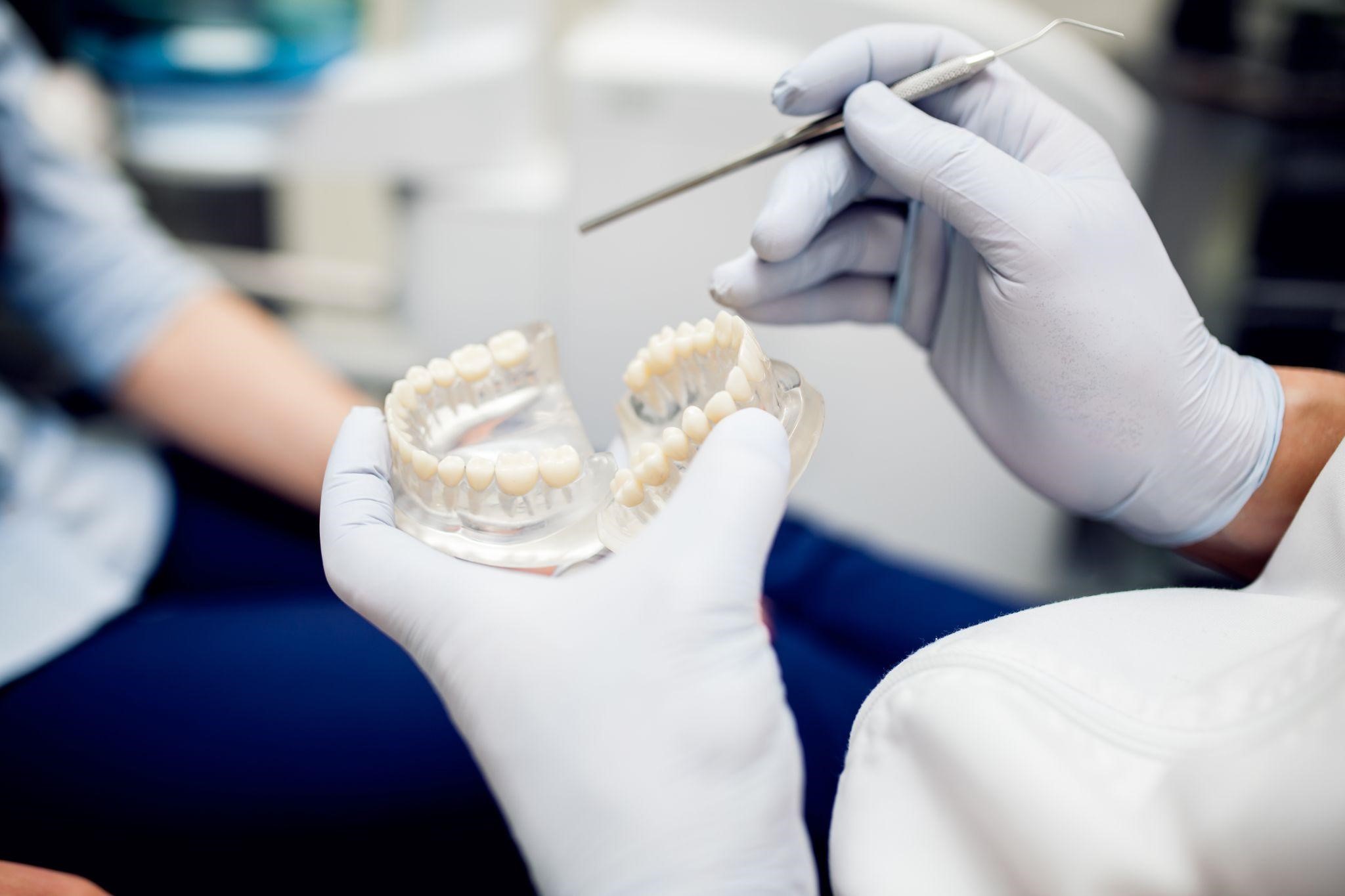
Maintaining a healthy smile requires more than occasional brushing or dental visits. Strong teeth and healthy gums are the result of consistent daily oral health habits that support long-term dental wellness. When practiced regularly, these habits help prevent cavities, reduce plaque buildup, and support effective gum disease prevention.
At Amesbury Dentist Associates , preventive dental care is a core part of maintaining lifelong oral health. While professional dental services such as dental cleanings, cosmetic treatments, and advanced procedures like dental implants play an important role, your daily routine at home is equally critical. Simple practices such as proper brushing, effective flossing, and the right use of mouthwash can significantly improve your oral health and reduce the risk of dental problems.
This guide explains ten essential habits you can incorporate into your routine to keep your teeth and gums healthy every day.
1. Brush Your Teeth Properly Twice a Day
Brushing your teeth twice daily is one of the most important daily oral health habits for maintaining a clean and healthy mouth. However, technique matters just as much as frequency.
Use a soft-bristled toothbrush and fluoride toothpaste to remove plaque and food particles effectively. Hold your toothbrush at a 45-degree angle to the gumline and use gentle circular motions. Brushing too aggressively can damage enamel and irritate the gums, which may increase the risk of gum recession over time.
Dentists also recommend brushing for at least two minutes to ensure every surface of the teeth is cleaned. Consistent brushing helps prevent cavities and supports overall gum disease prevention.
For patients considering restorative treatments such as dental implants, maintaining strong oral hygiene habits is essential for protecting surrounding gum and bone health.
2. Replace Your Toothbrush Regularly
Even the best brushing technique becomes less effective if your toothbrush is worn out. Over time, bristles become frayed and lose their ability to remove plaque effectively.
Dentists generally recommend replacing your toothbrush every three to four months. If the bristles appear bent or damaged earlier, it is best to replace it sooner.
Using a fresh toothbrush ensures your brushing tips remain effective and helps maintain optimal plaque removal.
3. Floss Every Day
Flossing is an essential part of maintaining daily oral health habits, yet it is often overlooked. A toothbrush cannot reach the tight spaces between teeth where plaque and food debris commonly accumulate.
Proper flossing techniques involve gently sliding floss between each tooth and curving it around the base of the tooth to clean beneath the gumline. This helps remove bacteria that could otherwise contribute to cavities and gum disease.
Daily flossing significantly reduces plaque buildup and is one of the most effective ways to support long-term gum disease prevention.
4. Use Mouthwash to Support Oral Hygiene
Adding mouthwash to your routine can enhance your oral care efforts. A quality mouthwash helps kill bacteria, freshen breath, and reach areas that brushing and flossing might miss.
A proper mouthwash guide includes choosing a rinse that contains antibacterial or fluoride ingredients depending on your dental needs. Antiseptic mouthwashes help reduce bacteria that contribute to plaque and gum disease.
Using mouthwash after brushing and flossing can help maintain a cleaner and healthier oral environment throughout the day.
5. Clean Your Tongue Daily
Many people focus only on their teeth, but the tongue can harbor a large number of bacteria that contribute to bad breath and plaque buildup.
Cleaning your tongue with a tongue scraper or toothbrush helps remove bacteria and improves overall oral hygiene. This habit not only supports fresh breath but also reduces harmful microorganisms that may affect gum health.
Incorporating tongue cleaning into your daily oral health habits contributes to a more comprehensive dental care routine.
6. Stay Hydrated Throughout the Day
Drinking enough water supports oral health in several ways. Water helps wash away food particles and neutralize acids produced by bacteria in the mouth.
Saliva plays an essential role in protecting teeth from decay. Staying hydrated helps maintain saliva production, which naturally cleans the mouth and supports gum disease prevention.
Water is also a better choice than sugary drinks, which can increase the risk of cavities and enamel erosion.
7. Limit Sugary and Acidic Foods
Frequent consumption of sugary or acidic foods can weaken tooth enamel and increase the risk of cavities. Bacteria in the mouth feed on sugar and produce acids that attack the teeth.
Reducing sugary snacks and beverages helps protect enamel and supports healthier teeth and gums. If you do consume sugary foods, brushing afterward or rinsing your mouth with water can help minimize the impact.
Healthy eating habits play a significant role in maintaining strong teeth and effective daily oral health habits.
8. Avoid Tobacco Products
Tobacco use can have serious effects on oral health. It increases the risk of gum disease, tooth discoloration, bad breath, and even oral cancer.
Quitting tobacco improves gum health and enhances the effectiveness of your dental hygiene routine. It also reduces the likelihood of complications if restorative procedures such as dental implants are needed in the future.
Avoiding tobacco is one of the most impactful steps you can take toward long-term oral wellness.
9. Consider Professional Whitening When Needed
Stains from coffee, tea, red wine, and certain foods can gradually dull the appearance of your smile. While regular brushing helps remove surface stains, professional whitening treatments can provide more noticeable results.
Patients interested in improving the brightness of their smile may consider teeth whitening treatments as part of their overall dental care plan. Professional whitening options are designed to be safe, effective, and longer lasting than many over-the-counter alternatives.
Maintaining consistent daily oral health habits helps preserve whitening results and keeps your smile looking its best.
10. Schedule Regular Dental Checkups
Even the most consistent home care routine cannot replace professional dental examinations. Regular dental visits allow dentists to detect potential issues early and provide preventive treatments when necessary.
Routine checkups help identify cavities, early signs of gum disease, and other oral health concerns before they become serious problems. Professional cleanings also remove hardened plaque (tartar) that brushing and flossing alone cannot eliminate.
By combining daily habits with regular dental care, patients can maintain healthier teeth and gums for many years.
Conclusion
Healthy teeth and gums depend on a combination of professional care and consistent daily oral health habits. Simple actions such as proper brushing, effective flossing techniques, and following a reliable mouthwash guide can significantly improve oral hygiene and support long-term gum disease prevention.
Developing these habits not only helps prevent cavities and gum disease but also supports the success of advanced dental treatments and cosmetic procedures. With regular care and attention, maintaining a healthy smile becomes easier and more sustainable.
By prioritizing oral hygiene every day, you can protect your teeth, strengthen your gums, and enjoy better dental health for years to come. If you have questions about maintaining your smile or want professional guidance on improving your oral care routine, contact us at Amesbury Dental Associates to schedule a consultation with our experienced dental team.
FAQs
1. What are the most important daily oral health habits?
The most important habits include brushing twice daily, flossing once a day, using mouthwash, cleaning the tongue, and maintaining regular dental checkups.
2. How long should I brush my teeth each time?
Dentists recommend brushing for at least two minutes to ensure all tooth surfaces are cleaned effectively.
3. Is flossing really necessary every day?
Yes. Flossing removes plaque and food particles from areas between teeth that brushing alone cannot reach.
4. Can mouthwash replace brushing or flossing?
No. Mouthwash is a helpful addition but should be used alongside brushing and flossing for a complete oral hygiene routine.
5. How can I prevent gum disease at home?
Practicing good daily oral health habits, including proper brushing, flossing, and maintaining a healthy diet, can significantly reduce the risk of gum disease.