-
-
-
Mon - Thursday: 8:00 am - 5:00 pm
Friday : By Appointment Only (We are closed public holidays)
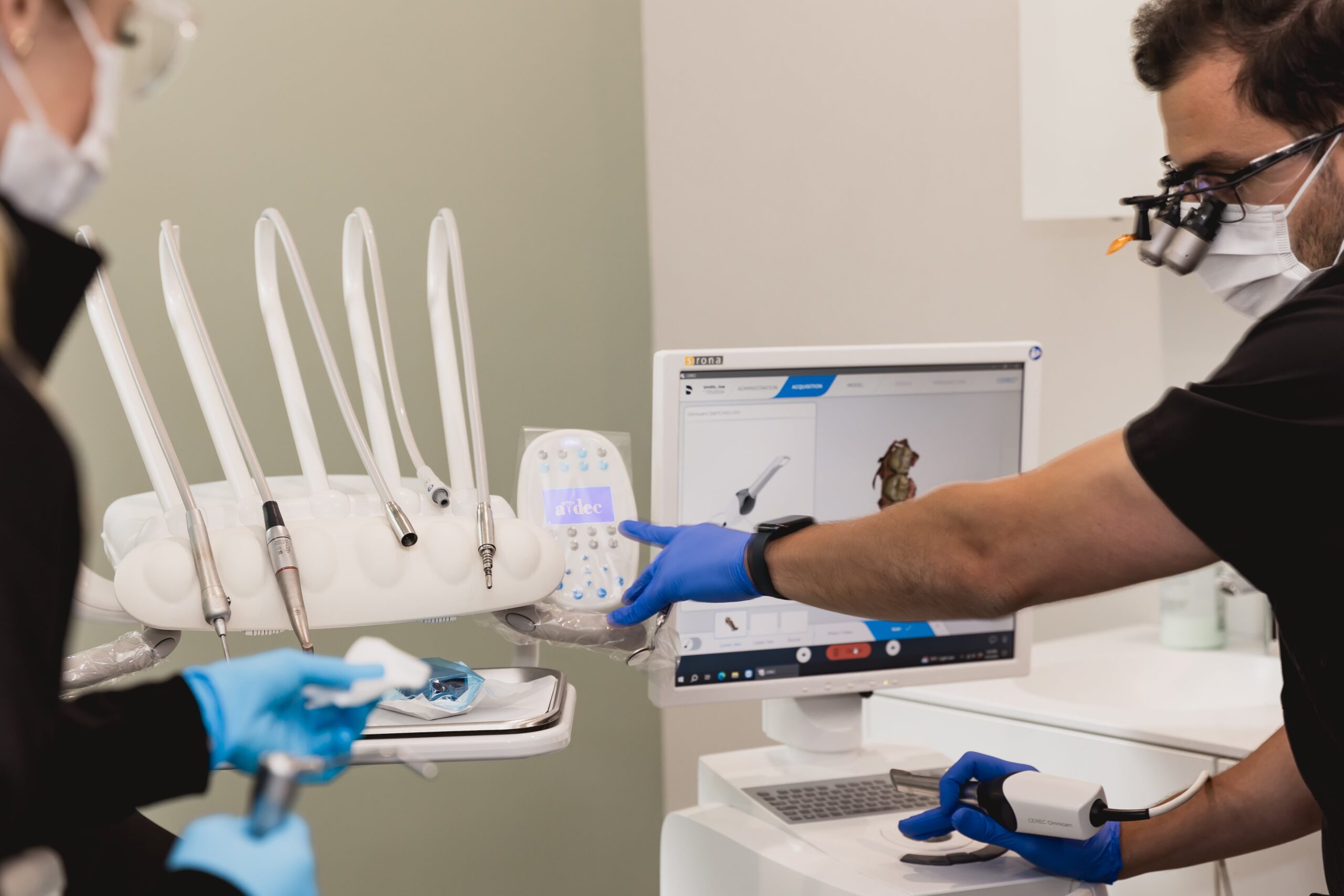
Maintaining a healthy smile involves more than brushing and flossing at home. Professional dental cleanings play a vital role in preventing oral health issues, keeping teeth free from stubborn buildup, and helping dentists detect problems before they become serious. At Amesbury Dental Associates, patients often ask one common question: how often should they schedule a dental cleaning? While many people are familiar with the six-month guideline, the answer can vary depending on individual oral health needs.
Your ideal cleaning schedule depends on factors such as gum health, cavity risk, medical history, lifestyle habits, and how quickly plaque and tartar accumulate on your teeth. Understanding these factors can help you make informed decisions about your long-term oral care.
Why Professional Cleanings Matter
Even people who maintain excellent oral hygiene can benefit from professional cleanings. Daily brushing and flossing remove much of the plaque on your teeth, but some areas are difficult to reach consistently. Over time, plaque hardens into tartar, which cannot be removed with a toothbrush alone.
Professional cleanings help remove this buildup before it causes more significant dental problems. They also allow dental professionals to monitor changes in your oral health and provide personalized recommendations.
Key benefits include:
- Removes hardened tartar that brushing cannot eliminate.
- Helps reduce the risk of cavities.
- Supports healthier gums and prevents inflammation.
- Freshens breath by removing bacteria buildup.
- Allows early detection of oral health concerns.
- Contributes to long-term tooth preservation.
Routine preventive care often reduces the likelihood of needing more extensive dental treatments later.
The Standard Recommendation for Most Adults
For many adults with healthy teeth and gums, visiting the dentist every six months remains the most common recommendation. This schedule provides enough time to remove buildup while allowing dental professionals to monitor any developing concerns.
The six-month interval works well because plaque and tartar can gradually accumulate even when oral hygiene habits are excellent. Regular visits help maintain consistency and prevent small issues from progressing unnoticed.
Why six months works for many patients:
- Provides regular preventive maintenance.
- Helps monitor changes in gum health.
- Allows timely cavity detection.
- Supports long-term oral hygiene goals.
- Keeps tartar accumulation under control.
- Encourages healthy dental habits.
For individuals with no major risk factors, this schedule often provides a strong foundation for oral health.
Some Patients May Need More Frequent Visits
Not everyone fits into the standard six-month schedule. Certain conditions increase the risk of gum disease, decay, and oral health complications. In these situations, dentists may recommend cleanings every three to four months.
More frequent visits allow closer monitoring and help control conditions before they worsen.
Patients who may benefit from additional visits include:
- Individuals with active gum disease.
- People with diabetes.
- Smokers and tobacco users.
- Patients with weakened immune systems.
- Those who develop cavities frequently.
- Individuals who accumulate tartar quickly.
Shorter intervals often help maintain healthier gums and reduce the progression of dental issues.
Understanding the Difference Between Plaque and Tartar
Many people hear these terms used interchangeably, but plaque and tartar are different. Understanding the distinction helps explain why professional cleanings remain necessary.
Plaque is a sticky film of bacteria that forms continuously on teeth. If not removed regularly, it hardens into tartar, which adheres firmly to tooth surfaces and gumlines. Keeping plaque and tartar under control not only supports better oral health but also helps maintain a brighter smile for those considering the best teeth whitening options in the future.
Important differences include:
- Plaque forms daily and can be removed through brushing.
- Tartar develops from hardened plaque deposits.
- Tartar requires professional instruments for removal.
- Both contribute to gum disease if left untreated.
- Plaque contains bacteria that can cause cavities.
- Tartar creates rough surfaces where additional bacteria collect.
Removing tartar regularly helps maintain healthier teeth and gums.
Gum Health Plays a Major Role
Healthy gums provide the foundation for a healthy smile. Unfortunately, gum disease often develops gradually and may not cause noticeable symptoms in its early stages. Routine cleanings help prevent inflammation and allow dentists to identify warning signs early.
Signs that gum health may require attention include:
- Bleeding during brushing or flossing.
- Persistent bad breath.
- Swollen gum tissue.
- Gum recession.
- Increased tooth sensitivity.
- Loose teeth in advanced cases.
Maintaining a consistent cleaning schedule helps protect the supporting structures around your teeth.
Lifestyle Habits Can Affect Cleaning Frequency
Certain lifestyle choices directly influence oral health. Diet, smoking habits, stress levels, and daily hygiene routines all contribute to how often professional cleanings may be needed.
Individuals with higher risk factors often benefit from more frequent preventive care.
Common lifestyle influences include:
- Tobacco use.
- Frequent consumption of sugary beverages.
- Poor flossing habits.
- High stress levels.
- Dry mouth conditions.
- Inconsistent brushing routines.
Making positive lifestyle changes can support better oral health outcomes over time.
The Connection Between Home Care and Professional Visits
Professional cleanings are important, but they are not a substitute for daily oral hygiene. The most successful oral health outcomes occur when professional care and home care work together.
Building strong habits between appointments helps maintain healthier teeth and gums.
Daily habits that support oral health include:
- Brushing twice daily.
- Flossing every day.
- Limiting sugary snacks.
- Drinking plenty of water.
- Replacing toothbrushes regularly.
- Following personalized dental recommendations.
For additional guidance, review these helpful tips on daily oral health habits.
Cosmetic Goals May Influence Preventive Care
Many patients seeking a brighter smile discover that routine cleanings play an important role in maintaining cosmetic results. Surface stains from coffee, tea, and other foods can accumulate over time.
Professional cleanings help keep teeth looking cleaner and brighter between cosmetic procedures.
Cosmetic advantages include:
- Reduced surface staining.
- Improved smile appearance.
- Cleaner tooth surfaces.
- Better maintenance of whitening results.
- Fresher overall appearance.
- Enhanced confidence in daily interactions.
Patients considering dental bleaching often achieve better results when their teeth are professionally cleaned beforehand.
Whitening Treatments and Oral Health
Whitening procedures are among the most requested cosmetic dental services today. However, healthy teeth and gums should always come before cosmetic enhancements.
Routine preventive care helps ensure your mouth is prepared for aesthetic treatments.
Benefits of combining preventive and cosmetic care include:
- Healthier gum tissue before whitening.
- Better overall treatment results.
- Improved comfort during procedures.
- More even whitening outcomes.
- Reduced risk of underlying dental issues.
- Stronger long-term maintenance.
Many patients exploring a dental whitening treatment discover that preventive care significantly improves overall outcomes.
Age Can Influence Cleaning Recommendations
Dental needs often change throughout life. Children, adults, and older individuals may have different oral health considerations that affect cleaning schedules. Regular evaluations help determine the most appropriate approach for each stage of life.
Factors that may change with age include:
- Increased gum recession.
- Medication-related dry mouth.
- Existing dental restorations.
- Changes in dexterity affecting brushing.
- Shifts in cavity risk.
- Medical conditions that affect oral health.
Personalized recommendations ensure preventive care remains effective as needs evolve.
How Dentists Determine Your Schedule
Dentists evaluate several factors before recommending a cleaning frequency. Rather than applying a single rule to every patient, they assess your complete oral health picture. This personalized approach helps provide care tailored to your specific needs.
Factors commonly evaluated include:
- Current gum condition.
- History of cavities.
- Plaque accumulation rate.
- Medical history.
- Smoking status.
- Oral hygiene habits.
A customized schedule often provides better long-term outcomes than a one-size-fits-all approach.
Warning Signs You Should Not Delay a Cleaning
Sometimes people postpone appointments because they are not experiencing pain. However, many dental conditions develop quietly and become noticeable only after significant progression. Recognizing early warning signs can help prevent more serious issues.
Signs to schedule a visit include:
- Bleeding gums.
- Persistent bad breath.
- Tooth sensitivity.
- Visible tartar buildup.
- Gum swelling.
- Changes in bite or tooth alignment.
Prompt attention often leads to simpler treatment and better results.
Choosing Preventive Care Over Reactive Treatment
Preventive dentistry focuses on avoiding problems rather than waiting for symptoms to appear. Cleanings represent one of the most effective preventive services available.
Patients who prioritize preventive care often experience fewer complications and maintain healthier smiles throughout life.
Advantages of prevention include:
- Earlier problem detection.
- Reduced risk of advanced gum disease.
- Better long-term oral health.
- Greater comfort and confidence.
- Lower likelihood of extensive procedures.
- Improved overall wellness.
Many people searching for the best teeth whitening solutions discover that healthy teeth and gums are the foundation of an attractive smile.
A Healthy Smile Starts With Consistency
The question of how often you should get a dental cleaning does not have the same answer for everyone. While many adults benefit from cleanings every six months, others may require more frequent visits depending on their oral health, lifestyle, and medical history. The most effective approach is one tailored specifically to your needs.
At Amesbury Dental Associates, preventive care is designed to help patients maintain strong teeth, healthy gums, and confident smiles for years to come. Whether you are due for a routine cleaning or want guidance on the best schedule for your oral health, contact us today to schedule an appointment and keep your smile on the right track.
Frequently Asked Questions
How long does a dental cleaning usually take?
A routine dental cleaning generally takes between 30 and 60 minutes, depending on the amount of plaque and tartar present. Additional time may be needed if X-rays or detailed examinations are performed during the visit.
Are dental cleanings painful?
Most routine cleanings are comfortable and cause little to no discomfort. Patients with sensitive gums or significant tartar buildup may experience mild sensitivity, but the procedure is generally well tolerated.
Can a dental cleaning whiten my teeth?
A cleaning can remove surface stains caused by food, beverages, and plaque buildup, making teeth appear brighter. However, it does not change the natural shade of teeth like professional whitening treatments do.
What happens if I skip regular cleanings?
Skipping cleanings allows plaque and tartar to accumulate, increasing the risk of cavities, gum disease, bad breath, and other oral health problems. Regular preventive care helps catch issues before they become more serious.
Is flossing still necessary if I get regular cleanings?
Yes, flossing remains an essential part of daily oral hygiene. Professional cleanings remove buildup periodically, but flossing helps clean between teeth every day and reduces the risk of gum disease and decay.