-
-
-
Mon - Thursday: 8:00 am - 5:00 pm
Friday : By Appointment Only (We are closed public holidays)
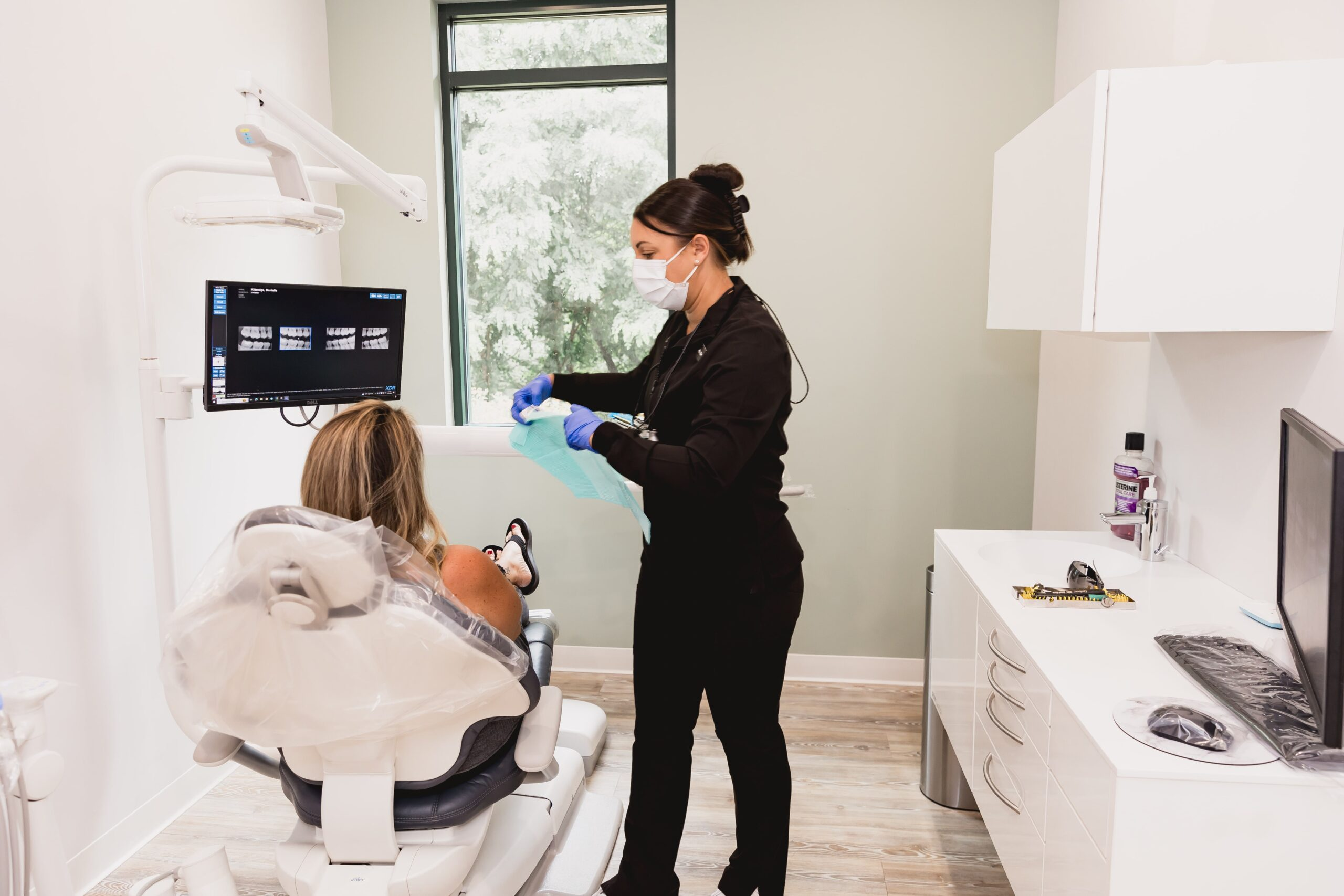
Tooth replacement options can make a big difference when you are living with one or more missing teeth. Losing a tooth can affect the way you chew, speak, and feel about your smile. Fortunately, modern dentistry offers several ways to fill those spaces. Dental implants, bridges, and dentures can all restore missing teeth, but each treatment works differently.
The right choice depends on your oral health, the number of teeth you have lost, the condition of your remaining teeth, and your personal goals. Your dentist can examine your smile and help you understand which approach makes sense for you.
Key Takeaways
- Dental implants provide a fixed replacement supported by an artificial tooth root.
- Dental bridges use nearby teeth to support a replacement tooth.
- Partial dentures can replace several missing teeth and are removable.
- Implant-supported dentures can provide added stability.
- The right treatment depends on your individual dental needs.
Why Replace a Missing Tooth?
A missing tooth can seem like a small problem, especially if it is not visible when you smile. However, the gap can affect more than appearance. Depending on its location, you may find yourself chewing on one side of your mouth or avoiding certain foods.
Over time, nearby teeth may move toward the empty space. This can change the way your teeth come together and may make some areas harder to clean. Replacing the tooth is not always urgent, but discussing the gap with your dentist can help you understand what may happen if it is left untreated.
Replacing missing teeth can also make everyday activities feel more natural. Eating, speaking, and smiling may become easier once the space has been restored.
Main Tooth Replacement Options
When a tooth is missing, there are several ways to restore the space. The most common choices include dental implants, fixed bridges, and dentures. Each one has a different design and requires a different type of care.
A dental implant is placed into the jaw and can support a replacement tooth. A dental bridge uses neighboring teeth for support, while dentures are removable and can replace several teeth at once. Amesbury Dental Associates offers restorative treatments that include implants, fixed bridges, and dentures.
The best option is not simply the most advanced one. It is the treatment that fits your oral health, lifestyle, and long-term needs.
Dental Implants for Missing Teeth
Dental implants are designed to replace the root of a missing tooth as well as support the visible replacement. An implant is placed into the jawbone and, after healing, can support a dental crown. One of the main advantages is that an implant can replace one missing tooth without using neighboring teeth as supports. The replacement is also fixed, so you do not remove it like a traditional denture. Amesbury Dental Associates provides implant dentistry as part of its restorative dental services.
Why Do Patients Choose Implants?
Implants may be appealing because they provide a stable foundation and can closely resemble the look and function of a natural tooth. They can also help avoid preparing healthy neighboring teeth for a traditional bridge.
However, implants involve surgical procedures and a healing period. Your dentist will need to evaluate your gums, jawbone, bite, and overall oral health before recommending treatment.
For patients who are good candidates, implants can be a long-term way to replace missing teeth.
The Long-Term Benefits of Dental Implants
Dental implants are often chosen for their durability, but it is important to have realistic expectations. An implant is not guaranteed to last forever. The implant, crown, and surrounding tissues still need regular care. Your oral hygiene plays an important role, especially when you have custom dental implants in Amesbury designed to fit your smile and dental needs. Plaque and bacteria around an implant can affect the gums and supporting tissues. Regular dental appointments allow your dentist to check the implant and identify concerns early. Good home care and regular professional visits are important parts of protecting your investment.
Dental Bridges: A Fixed Alternative
A dental bridge fills the space left by one or more missing teeth. A traditional bridge generally uses crowns placed over neighboring teeth to hold an artificial tooth in position, because a bridge stays in place, you do not need to remove it for everyday activities. It can restore the appearance of your smile and help you chew more comfortably. Amesbury Dental Associates provides fixed bridge treatment for patients who need to restore missing teeth. A bridge may be a practical choice when the surrounding teeth are healthy enough to provide support, and you prefer a fixed restoration.
When Is a Dental Bridge a Good Choice?
A bridge can work well when there is a suitable tooth on either side of the gap. Your dentist will examine these teeth to make sure they can support the restoration. One benefit is that a bridge does not require implant surgery. However, traditional bridges generally involve preparing the supporting teeth. This is one reason your dentist needs to examine the surrounding teeth before recommending treatment. A bridge can be especially useful for patients who want a fixed replacement but are not interested in, or are not candidates for, implant treatment.
Partial Dentures for Several Missing Teeth
Partial dentures are designed for people who have several missing teeth but still have some natural teeth remaining. They are removable and can replace multiple teeth with one custom-made appliance. For some patients, partial dentures offer a practical way to restore chewing function and improve the appearance of their smile without undergoing implant surgery. Once their teeth are restored, some patients may also consider teeth whitening to brighten their natural teeth and create a more even-looking smile. Amesbury Dental Associates provides partial denture treatment as part of its restorative services. The fit of a partial denture is important, too. A well-fitted appliance should feel comfortable and allow you to speak and eat with greater confidence.
Implant-Supported Dentures
Traditional dentures rest on the gums, while implant-supported dentures use dental implants to provide additional support or retention. This can make the denture feel more secure during everyday activities. Depending on the treatment plan, an implant-supported denture may be removable or fixed. The design depends on factors such as the number of implants, available bone, and the type of restoration being used. For someone who struggles with a loose traditional denture, additional implant support may be worth discussing with a dentist. If other concerns, such as tooth alignment, are also present, dental aligners may be discussed as part of a broader approach to improving the overall smile.
Choosing the Best Option for One Missing Tooth
If you have lost only one tooth, a dental implant and a bridge are two common choices. An implant replaces the tooth with support from the jaw, while a bridge uses neighboring teeth to hold the replacement in place. The decision is not the same for everyone. The condition of the neighboring teeth, your jawbone, gum health, treatment preferences, and budget can all influence the recommendation. For example, an implant may be attractive if the surrounding teeth are healthy and you want to avoid using them as bridge supports. A bridge may be more suitable when neighboring teeth already need crowns or when implant treatment is not appropriate.
Implant vs. Bridge
The basic difference is:
- Implant: Supported by an implant placed in the jaw.
- Bridge: Supported by neighboring teeth.
- Implant: Requires surgical placement and healing.
- Bridge: Does not require implant surgery.
Your dentist can explain the advantages and limitations of each option after examining the area.
Options for Replacing Several Missing Teeth
Replacing several missing teeth requires a more detailed treatment plan. Depending on the location of the gaps and the condition of your remaining teeth, your options may include partial dentures, multiple implants, bridges, or an implant-supported restoration.
The goal is not simply to fill every gap. Your dentist also needs to consider how your teeth meet, how you chew, and whether the remaining teeth can provide support.
For some people, a removable partial denture is practical. Others may prefer a more fixed approach using implants. In some cases, a combination of treatments may provide the best result.
Treatment Options for Complete Tooth Loss
Complete tooth loss requires a different approach from replacing one or two teeth. Complete dentures can replace all the teeth in an upper or lower arch. They are removable and are designed to restore basic chewing and speech while improving the appearance of the smile. Implant-supported dentures may be another choice for eligible patients. Instead of relying only on the gums for support, implants help keep the restoration more secure. Amesbury Dental Associates offers complete and partial dentures for patients with different levels of tooth loss. If you feel nervous about treatment, discussing dental anxiety tips with your dentist can help you feel more comfortable before starting a full-arch restoration plan. Your dentist can evaluate your oral health and explain which full-arch treatment may be appropriate.
How Should You Care for a Tooth Replacement?
Good care is important no matter which restoration you choose. A replacement tooth does not mean you can stop caring for the rest of your mouth. Your natural teeth and gums still need daily attention.
The exact cleaning routine depends on the treatment. Implant patients need to keep the area around the implant clean. People with bridges need to clean around and underneath the restoration. Denture wearers need to remove and clean their appliance as directed. Regular dental visits are also important because your dentist can check the restoration and the tissues around it.
Basic Care Tips
- Brush natural teeth twice a day.
- Clean between your teeth every day.
- Follow your dentist’s instructions for implant care.
- Clean removable dentures as directed.
- Keep routine dental appointments.
The American Dental Association recommends proper cleaning and care of removable dentures to help maintain oral health.
How Missing Teeth Can Affect Your Remaining Teeth
A missing tooth can change how the surrounding teeth work together. When there is an open space, nearby teeth may shift toward it. You may also begin using the other side of your mouth more often when chewing. These changes do not happen in exactly the same way for everyone. The location of the missing tooth and the number of teeth involved both matter. Even if you have lived with a missing tooth for a long time, it is still worth discussing your options with a dentist. Modern restorative treatments may give you choices that were not available when the tooth was first lost.
Understanding Tooth Replacement Costs
There is no single price for replacing a missing tooth. The total cost depends on the treatment you choose and your individual dental needs. An implant may involve several stages, while a bridge or denture may follow a different process. Additional treatment may also be needed before restoration. Insurance coverage and available dental savings plans can affect your out-of-pocket cost. Amesbury Dental Associates offers a dental savings plan that may provide savings on certain dental services. The best way to understand your cost is to have a consultation and receive a treatment estimate based on your specific situation.
Conclusion
Living with missing teeth does not mean you have to accept changes in your smile or the way you eat. Modern restorative dentistry provides several ways to restore missing teeth, including implants, bridges, partial dentures, and implant-supported dentures.
The right choice depends on your oral health, the number and location of missing teeth, the condition of your remaining teeth, and your personal preferences. A dental examination is the best way to understand which treatment can meet your needs.
If you are ready to explore your options for replacing missing teeth, contact Amesbury Dental Associates today to schedule a consultation and discuss a treatment plan for your smile.
Frequently Asked Questions
What is the best way to replace a missing tooth?
Dental implants and bridges are common choices for replacing one missing tooth. Your dentist can recommend the best option based on your oral health and individual needs.
Are dental implants better than bridges?
Both dental implants and bridges can replace missing teeth. Implants are supported by the jaw, while bridges rely on neighboring teeth. Your dentist can help you determine which option is right for you.
Can partial dentures replace several missing teeth?
Yes. Partial dentures can replace several missing teeth when some natural teeth remain. They are removable and custom-made to fit your mouth.
Are implant-supported dentures permanent?
Implant-supported dentures are designed for long-term use but require proper care and regular dental checkups to maintain their condition.
Can I replace missing teeth without implants?
Yes. Dental bridges and partial dentures can replace missing teeth without implant surgery, depending on your dental needs and overall oral health.