-
-
-
Mon - Thursday: 8:00 am - 5:00 pm
Friday : By Appointment Only (We are closed public holidays)
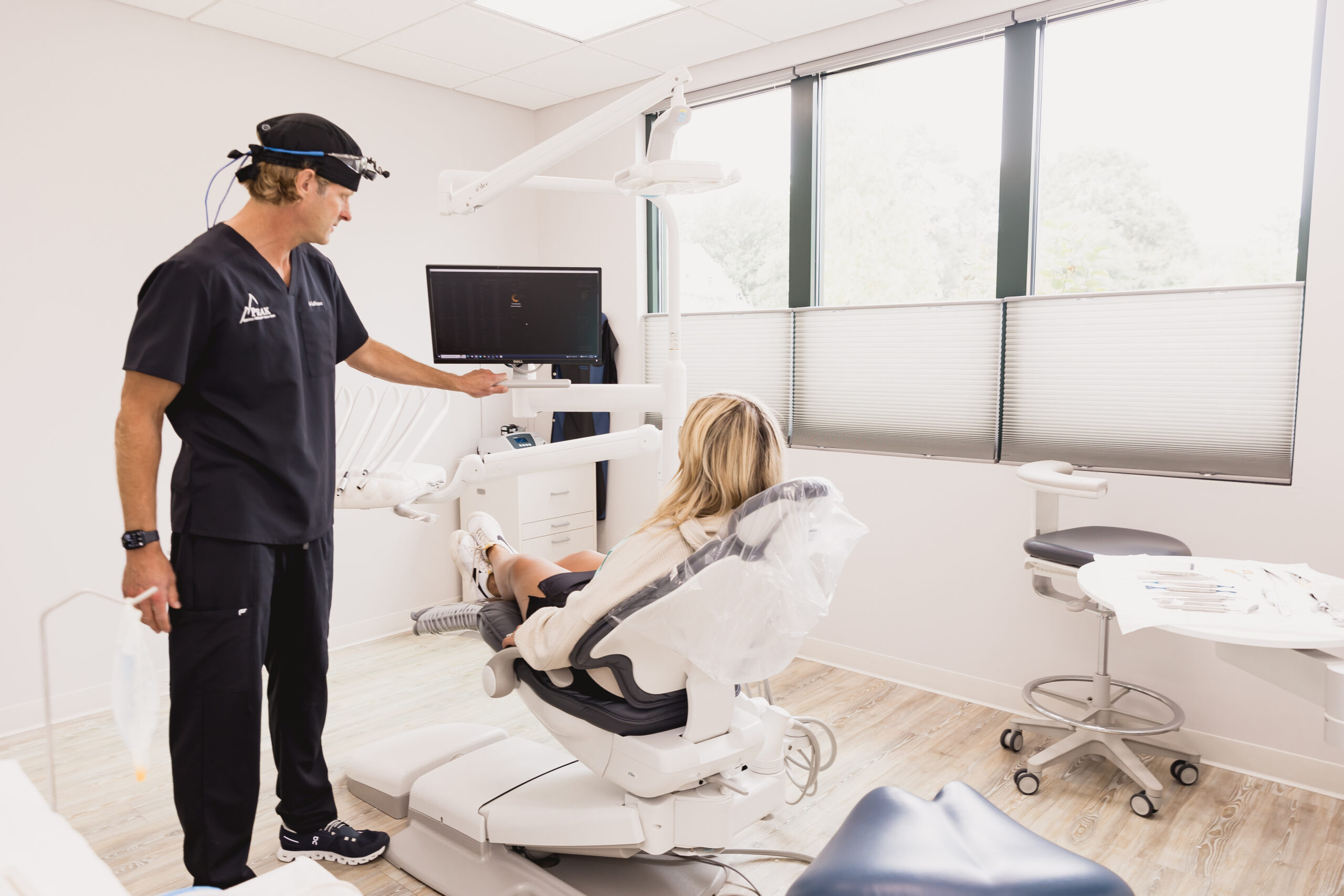
Why do dentists take blood pressure before dental treatment? A quick blood pressure check can give your dental team useful information about your health before care begins. At Amesbury Dental Associates, understanding your health history is an important part of providing comfortable and safe care. Blood pressure can change because of stress, pain, medications, or existing health conditions, so knowing your reading can help your dentist plan treatment with your needs in mind.
Key Takeaways
- Blood pressure checks can support patient safety during dental care.
- High readings may need to be checked again before treatment.
- Your medical history and medications can affect dental treatment.
- Dental anxiety may temporarily raise blood pressure.
- One high reading does not automatically mean you have hypertension.
- Your dentist may suggest medical follow-up when a reading is unusually high.
Why Do Dentists Take Blood Pressure Before Dental Treatment?
Dentists may check blood pressure because it is one part of understanding a patient’s overall health. Although a dental visit mainly focuses on your teeth, gums, and mouth, your general health can affect how your body responds to dental treatment.
A blood pressure reading can show whether your pressure is within a usual range or higher than expected at that moment. This information can be useful before certain procedures, especially when treatment involves local anesthetic, surgery, or other forms of care.
What Does a Blood Pressure Reading Tell Your Dentist?
Blood pressure has two numbers. The top number is systolic pressure, while the bottom number is diastolic pressure. Together, they show the pressure of blood against the walls of your blood vessels.
Your dentist may use this information to decide whether treatment can continue as planned or whether your reading should be checked again. A reading can help the dental team:
- Notice an unusually high or low result.
- Review your current health conditions.
- Consider medicines that may affect treatment.
- Decide whether additional precautions are needed.
- Recommend medical follow-up when appropriate.
Your dentist does not diagnose hypertension based on one reading. If your blood pressure is repeatedly high, your medical provider can perform the proper evaluation.
How Can High Blood Pressure Affect Dental Treatment?
High blood pressure and dental care can affect one another because some dental procedures may cause temporary stress on the body. Pain, fear, anxiety, and even sitting in a dental chair can cause blood pressure to rise.
Some local anesthetics may also contain epinephrine. This ingredient helps the anesthetic work longer and can reduce bleeding in the treatment area. However, it may affect heart rate or blood pressure in some patients. This does not mean that people with high blood pressure cannot receive dental treatment. Many people with controlled hypertension receive routine dental care without major problems. Tell your dentist about your condition so the team can consider it when planning care. health when choosing the best approach.
Why Your Medical History Matters
Your medical history gives your dentist information that may not be visible during an oral examination. Conditions such as high blood pressure, heart disease, diabetes, allergies, and other health concerns can affect treatment decisions. Amesbury Dental Associates asks patients to provide important medical information and keep their medication records current. This helps the dental team understand your health before treatment begins.
Tell your dental team if you:
- Have been diagnosed with high blood pressure.
- Take medicine for blood pressure or heart problems.
- Recently started or stopped a medication.
- Have experienced a recent change in your health.
- Have had a reaction to medication or anesthesia.
- Have been told to monitor your blood pressure.
Keeping your records updated can make your appointments safer and more personalized.
Can Dental Anxiety Raise Blood Pressure?
Yes. Anxiety can cause a temporary increase in blood pressure. This is one reason a dentist may repeat a reading if the first result is higher than expected. Some people experience a temporary rise in blood pressure in a healthcare setting , sometimes called the white-coat effect. Dental anxiety may contribute to this response.
Feeling nervous does not mean something is wrong with your health. Your dentist may simply allow you to sit quietly for a few minutes and then take another reading. Talking openly about dental anxiety can also help. Your dental team may be able to explain each step of treatment, answer questions, and make the visit more comfortable.
What Happens If Your Blood Pressure Is High?
If your reading is higher than expected, your dental team may wait a few minutes and measure it again. Your dentist will consider the second reading along with your symptoms, health history, medications, and planned treatment.
Depending on the situation, your dentist may:
- Repeat the blood pressure measurement.
- Discuss your medical history.
- Review your medications.
- Adjust the timing of elective treatment.
- Recommend speaking with your medical provider.
- Seek urgent medical help if very high blood pressure occurs with concerning symptoms.
The goal is not to frighten you or stop treatment without reason. The goal is to make informed decisions based on your health.
Does High Blood Pressure Mean Dental Treatment Must Be Delayed?
Not necessarily. Having high blood pressure does not automatically mean you cannot receive dental care. Your dentist may consider how high the reading is, whether it remains high after a second check, whether you have symptoms, and what type of treatment you need.
For example, routine preventive care may involve different considerations than a lengthy surgical procedure. Your dentist may also consider whether your blood pressure is controlled with medication. If you have a history of hypertension, continue following the treatment plan given by your medical provider. Do not stop taking prescribed medicine simply because you have a dental appointment.
Why Dentists Need to Know About Your Medications
Medications are an important part of your health history. Some blood pressure medicines can cause oral side effects such as dry mouth. Others may interact with certain medicines used during dental treatment. This is why your dentist should know which medications you take, including prescription medicines, over-the-counter products, and supplements.
Do not change or stop your medication without advice from the health professional who prescribed it. If you are unsure about your medications, bring an updated list to your appointment. This small step can make it easier for your dental team to plan appropriate care.
How Blood Pressure Checks Support Patient Safety
Patient safety is one of the main reasons health information is collected before dental treatment. Your dentist needs to know about health conditions that could affect your response to stress, medication, or treatment.
Blood pressure screening may also help identify a possible health concern that you did not know about. Some people have high blood pressure without noticeable symptoms. A dental visit does not replace regular medical care, but an unexpectedly high reading may be a reason to follow up with your medical provider.
How Does Blood Pressure Fit Into a Dental Exam?
A dental exam involves much more than looking for cavities. Your dentist may examine your teeth, gums, bite, existing dental work, and other areas of your mouth.
For a new patient at Amesbury Dental Associates, a dental examination provides an opportunity to establish a baseline for oral health. Amesbury Dental Associates provides dental examinations and preventive services to help patients maintain good oral health. During regular visits, your dental team can identify changes that may need attention before they become larger problems.
Blood pressure screening, when performed, adds another piece of health information. It does not replace the dental examination or a medical checkup. Instead, it helps your dentist understand your overall health while planning your dental care.
Why Blood Pressure Checks Are Part of Safer Dental Care
A blood pressure check may seem like a small part of a dental appointment, but it can provide useful information. It can help your dentist understand your current health and identify factors that may affect treatment.
For patients with hypertension, it also gives the dental team an opportunity to consider the condition when planning care. At Amesbury Dental Associates, patient communication and individualized care are important parts of the dental experience. Sharing your health information helps the team understand your needs and make informed decisions.
Conclusion
Understanding why dentists take blood pressure can make this part of your dental visit easier to understand. Blood pressure screening can help your dental team identify an unusual reading, review your health history, and consider your needs before treatment. Have questions about your dental health or need to schedule a visit? Contact Amesbury Dental Associates today to discuss your needs and plan your next appointment.
Frequently Asked Questions
Is blood pressure checked at every dental visit?
Not always. Your dentist may check it based on your health history, age, medications, or planned treatment.
Can I have dental treatment with high blood pressure?
Many patients with controlled high blood pressure can receive routine dental care, but the safest plan depends on the current reading, medical history, symptoms, and planned procedure. Your dentist will assess your individual situation.
Should I tell my dentist about blood pressure medication?/div>
Yes. Provide an updated list of your medications so your dental team can plan appropriate care.
Can stress at the dentist affect blood pressure?
Yes. Dental anxiety, fear, or stress can temporarily increase blood pressure during an appointment.
What if my blood pressure is high before treatment?
Your dentist may let you rest and check it again. Depending on the reading and your health, medical follow-up may be recommended.