-
-
-
Mon - Thursday: 8:00 am - 5:00 pm
Friday : By Appointment Only (We are closed public holidays)
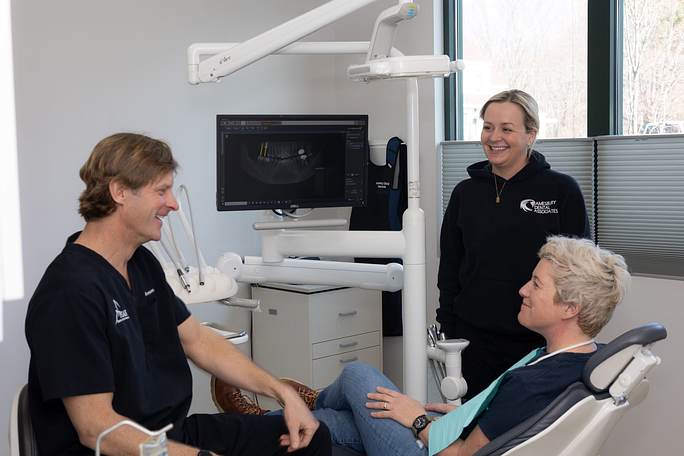
Visiting a new dental office for the first time can feel a little uncertain, especially if you are not sure what the process looks like. The good news is that most practices aim to make your experience smooth, comfortable, and informative. At Amesbury Dental Associates, new patients are welcomed with a focus on clear communication and personalized care.
An Amesbury Dental Associates visit is not just about checking your teeth. It is an opportunity to understand your oral health, discuss concerns, and build a long term relationship with your dental team. Knowing what to expect can help you feel more confident and prepared for your first appointment.
Preparing for Your First Appointment
Starting your dental journey on the right foot begins before you even walk into the office. Preparing in advance helps reduce anxiety and ensures your visit goes smoothly. It also allows your dental team to focus more on your care rather than paperwork.
When you come prepared, your dentist can better understand your health history and current concerns. This leads to a more personalized and efficient experience. Taking a few minutes ahead of time can make your appointment more productive and stress free.
What You Should Bring and Prepare
Being organized before your visit helps everything run more efficiently. It also ensures that your dental team has all the information they need to provide the best care possible.
- Complete new patient forms in advance if available
- Bring identification and insurance information
- Make a list of current medications and medical history
- Note any dental concerns or symptoms you want to discuss
This is an important step in your first visit guide and helps set the tone for a smooth experience.
What Happens When You Arrive
Walking into a new dental office can feel unfamiliar, but the process is designed to be simple and welcoming. From the moment you arrive, the staff works to make you feel comfortable and informed.
The front desk team will guide you through check in and confirm your details. This step ensures that your visit starts without confusion or delays. A calm and organized environment helps ease any nervousness you may have.
Check In and Initial Steps
The first few minutes of your visit are all about getting settled. This helps both you and the dental team prepare for the appointment.
- Friendly staff assistance during check in
- Verification of your personal and insurance details
- Opportunity to ask questions before your appointment begins
- Comfortable waiting area to help you relax
This welcoming process reflects the quality of Amesbury dental care.
Initial Consultation and Health Discussion
Your first appointment usually begins with a conversation rather than a procedure. This is your chance to share your dental history and any concerns you may have.
Open communication helps your dentist understand your needs and expectations. It also builds trust, which is essential for long term care. This step ensures that your treatment plan is tailored specifically to you.
What Your Dentist Will Ask
The consultation is designed to gather important information about your health and goals. Being honest and detailed helps your dentist provide better care.
- Discussion of past dental treatments and experiences
- Review of medical history and current health conditions
- Conversation about your oral health goals
- Opportunity to address any fears or concerns
This step creates a strong foundation for personalized treatment.
Comprehensive Dental Examination
After the consultation, your dentist will perform a detailed examination of your teeth and gums. This is a key part of understanding your overall oral health.
The examination is thorough but comfortable. It allows the dentist to identify any issues early and recommend appropriate care. This step helps prevent small problems from becoming bigger concerns.
What the Examination Includes
A complete exam covers several aspects of your oral health. Each part plays a role in creating an accurate diagnosis.
- Examination of teeth, gums, and jaw alignment
- Checking for cavities, gum disease, or other concerns
- Evaluation of bite and overall dental structure
- Identification of areas that may need attention
For more details, visit:
https://amesburydentist.com/what-happens-at-a-dental-exam/
Dental X Rays and Imaging
In many cases, your dentist may recommend X rays to get a deeper look at your oral health. These images reveal issues that cannot be seen during a regular exam.
X rays are quick, safe, and highly informative. They help your dentist make accurate decisions about your care. This step ensures that nothing is overlooked.
Why Imaging Is Important
Dental imaging provides valuable insights that support better treatment planning. It helps detect hidden issues early.
- Detect hidden cavities or infections
- Evaluate bone health and tooth roots
- Identify alignment or structural concerns
- Support precise and accurate treatment plans
This is a key part of modern dental diagnostics.
Professional Cleaning and Preventive Care
A professional cleaning is often included in your first visit. This process helps remove plaque and tartar that regular brushing may miss.
Preventive care is essential for maintaining healthy teeth and gums. It also reduces the risk of future dental problems. Regular cleanings play a major role in long term oral health.
What Happens During Cleaning
The cleaning process is designed to leave your teeth feeling fresh and healthy. It also provides guidance for maintaining your smile at home.
- Removal of plaque and tartar buildup
- Polishing of teeth for a smooth finish
- Advice on brushing and flossing techniques
- Recommendations for ongoing preventive care
This step supports a strong foundation for your dental health.
Discussing Treatment Options
If your dentist identifies any issues, they will discuss possible treatment options with you. This conversation is important for making informed decisions.
Your dentist will explain each option clearly, including benefits and timelines. This ensures that you feel confident about your choices. You are always part of the decision making process.
Types of Treatments You May Hear About
Modern dentistry offers a range of solutions for different needs. These options are designed to improve both function and appearance.
- Clear explanations of recommended procedures
- Options such as clear aligners for teeth
- Discussion of timelines and expected results
- Guidance on choosing the best solution for your goals
This step ensures transparency and clarity in your care.
Advanced Solutions for Long Term Care
For patients with more complex needs, advanced dental solutions may be recommended. These treatments are designed to provide lasting results and improved comfort.
Understanding these options helps you plan for the future. Your dentist will guide you through the process and explain what to expect.
Long Term Treatment Options
Advanced care focuses on restoring both function and appearance. These treatments are tailored to your specific needs.
- Options for custom dental implants for missing teeth
- Comprehensive tooth restoration services for damaged teeth
- Treatments that enhance both aesthetics and function
- Long term solutions designed for durability and comfort
These services provide lasting benefits for your smile.
Understanding Insurance and Payment Options
Financial clarity is an important part of your dental experience. Understanding your insurance and payment options helps you plan your care effectively.
Most dental offices provide guidance to make this process easier. Clear communication ensures that there are no surprises.
What You Should Know About Costs
Knowing your financial options allows you to focus on your treatment. It also helps you make informed decisions.
- Explanation of insurance coverage and benefits
- Assistance with claims and documentation
- Flexible payment options if needed
- Clear breakdown of treatment costs
This transparency helps create a stress free experience.
Building a Long Term Relationship With Your Dentist
Your first visit is just the beginning of your dental care journey. Building a strong relationship with your dentist leads to better outcomes over time.
Regular visits help maintain your oral health and prevent future issues. Trust and communication are key to this relationship.
Benefits of Ongoing Dental Care
Consistency in care helps you stay ahead of potential problems. It also ensures that your dentist understands your needs.
- Regular checkups to monitor oral health
- Personalized advice based on your history
- Early detection of potential concerns
- Ongoing support for maintaining a healthy smile
This relationship is essential for long term dental wellness.
Final Thoughts to Start Your Dental Journey With Confidence
Your first visit to Amesbury Dental Associates is an important step toward better oral health. With the right preparation and understanding, the experience can feel smooth and reassuring. Amesbury Dental Associates is dedicated to helping new patients feel comfortable, informed, and confident from the very beginning.
Taking the time to understand each step of the process allows you to feel more in control of your care. From your first consultation to long term treatment planning, every stage is designed to support your health and comfort. If you are ready to take the next step toward a healthier smile, contact us today and begin your journey with confidence.
Frequently Asked Questions
What should I bring to my first dental appointment?
Bring identification, insurance details, and a list of medications. It is also helpful to write down any concerns beforehand.
How long does a first dental visit take?
A first visit usually lasts between one to two hours. This includes consultation, examination, and possibly cleaning.
Will I get a cleaning during my first visit?
In many cases, yes. However, it depends on your oral health and the dentist’s evaluation.
Are dental X rays safe?
Yes, they use low radiation levels and are considered safe. They are an important part of accurate diagnosis.
How often should I visit the dentist?
Most people benefit from visits every six months. Your dentist may adjust this based on your specific needs.