-
-
-
Mon - Thursday: 8:00 am - 5:00 pm
Friday : By Appointment Only (We are closed public holidays)
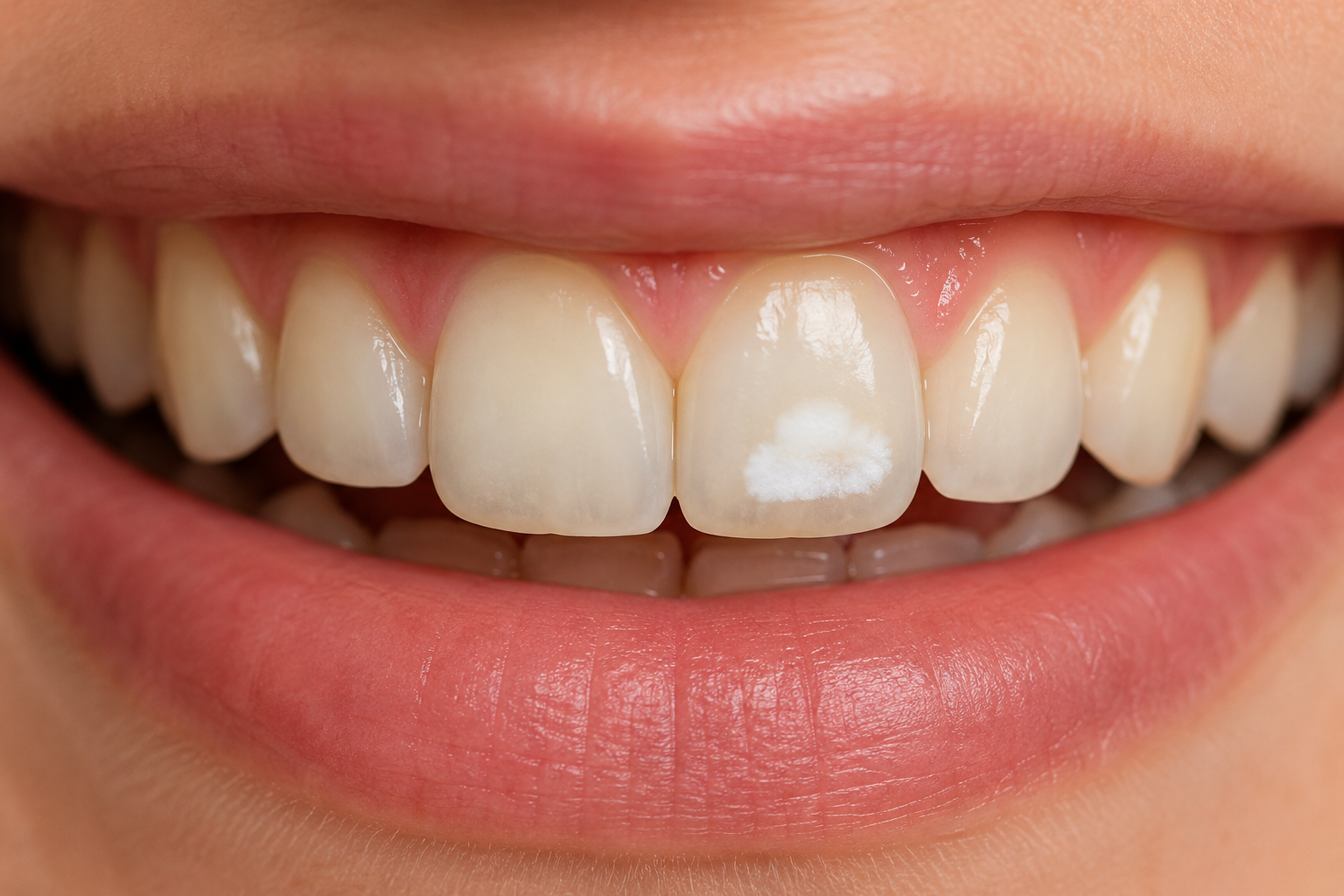
Why do I have a white spot on my tooth is a question many people ask after noticing a small white mark that does not disappear with brushing. These spots can develop for several reasons, ranging from minor enamel changes to early signs of tooth decay. At Amesbury Dental Associates, we help patients identify the cause of white spots on teeth and recommend personalized treatments to protect their smiles and improve long-term oral health.
Key Takeaways
- White spots can have several different causes.
- Early treatment helps prevent further enamel damage.
- A dental examination can identify the exact cause.
- Good oral hygiene lowers the risk of future enamel problems.
Why Do I Have a White Spot on My Tooth?
If you are asking, why do I have a white spot on my tooth, the answer depends on the health of your enamel and your dental history. White spots often appear when minerals are lost from the enamel or when the enamel does not develop normally. While some spots only affect appearance, others may be an early sign of a dental problem that should not be ignored.
What Causes White Spots on Teeth?
Several factors can lead to white spots, including poor oral hygiene, mineral loss, fluoride exposure during childhood, or developmental conditions. A dentist can examine the affected tooth and determine the exact cause before recommending the most effective white spot treatment.
Early Tooth Decay
One of the most common causes of white spots is early tooth decay. Before a cavity forms, minerals begin leaving the enamel, creating a chalky white area known as demineralization. At this stage, treatment is often simple and can prevent permanent damage.
Signs of Early Enamel Damage
Early enamel damage may not cause pain, making it easy to overlook. However, you may notice a dull white patch, slight roughness, or increased sensitivity when eating hot, cold, or sweet foods. Visiting your dentist early can stop the decay before it progresses.
Enamel Hypoplasia
Enamel hypoplasia is a condition that develops when the enamel does not form properly. This can leave the teeth with white patches, grooves, or thin enamel. The condition may affect one tooth or several teeth depending on the underlying cause.
Why Does Enamel Hypoplasia Develop?
Poor nutrition, childhood illness, premature birth, and certain genetic conditions can interfere with enamel development. Since weakened enamel is more likely to wear down, routine dental visits help monitor the condition and keep teeth protected.
Fluorosis
Another answer to why do I have a white spot on my tooth is fluorosis. This condition develops when children receive too much fluoride while their permanent teeth are still forming. Mild fluorosis usually causes faint white streaks or cloudy patches on the enamel.
Is Fluorosis Harmful?
Most cases of fluorosis are cosmetic and do not weaken the teeth. However, if the appearance affects your confidence, your dentist can discuss treatment options to improve your smile.
Poor Oral Hygiene During Orthodontic Treatment
White spots are often noticed after braces are removed because plaque tends to collect around brackets and wires. If plaque remains on the teeth for long periods, minerals are lost from the enamel, leaving visible white marks.
How Can You Prevent White Spots During Orthodontic Care?
Maintaining excellent oral hygiene throughout orthodontic treatment is essential. Patients using dental aligners often find it easier to brush and floss because the aligners are removable. Regular professional cleanings also help reduce the risk of enamel damage.
Acid Erosion and Mineral Loss
Frequent exposure to acidic foods and drinks can slowly weaken enamel, increasing the risk of tooth discoloration and other enamel defects. As minerals are lost, white spots become easier to see and the enamel becomes more vulnerable.
Protecting Your Enamel
Limiting acidic beverages, drinking water after meals, and maintaining a consistent oral hygiene routine can help preserve strong enamel. Regular dental checkups also allow your dentist to identify early changes before they become more serious.
Can White Spots on Teeth Be Prevented?
Many cases of white spots on teeth can be prevented with healthy daily habits and regular dental care. While some causes, such as developmental enamel conditions, cannot always be avoided, proper oral hygiene and a balanced diet can significantly reduce your risk of developing new spots. Regular dental checkups allow your dentist to detect early enamel changes and recommend the most appropriate treatment. If enamel damage becomes severe, dental crowns may be recommended to restore the strength, function, and appearance of the affected tooth.
Tips to Protect Your Tooth Enamel
Brushing twice a day with fluoride toothpaste, flossing daily, and limiting sugary or acidic foods can help keep enamel strong. Drinking plenty of water and visiting your dentist for routine cleanings also support long-term oral health. Small preventive steps today can reduce the need for future dental treatment.
When Should You Visit a Dentist?
A white spot that does not fade away should be examined by a dentist, especially if it changes in size or is accompanied by sensitivity. An early evaluation helps determine whether the spot is simply cosmetic or a sign of a developing dental problem.
Signs You Should Not Ignore
Schedule a dental appointment if you notice:
- White spots becoming larger over time.
- Pain or sensitivity while eating or drinking.
- Rough or damaged enamel.
- Multiple white patches appearing on different teeth.
Early diagnosis often leads to simpler and more effective treatment.
How Are White Spots on Teeth Diagnosed?
Finding the cause of a white spot is the first step toward choosing the right treatment. During your visit, your dentist will examine the affected tooth, review your dental history, and look for signs of enamel damage or decay. In some cases, digital X-rays may be recommended to check for hidden problems beneath the surface.
What to Expect During Your Dental Exam
Your dentist will evaluate several factors before making a diagnosis, including:
- The size and location of the white spot.
- Your oral hygiene habits.
- Past fluoride exposure.
- Signs of early decay or other enamel changes.
This thorough evaluation helps determine the most effective treatment plan for your smile.
White Spot Treatment Options
The right white spot treatment depends on the cause of the discoloration. Some cases only require preventive care, while others benefit from cosmetic procedures that improve the appearance of the enamel. Your dentist will recommend the option that best suits your needs.
Professional Fluoride Therapy
If the white spot is caused by early enamel demineralization, fluoride treatments may help restore lost minerals and strengthen the enamel. This approach is most effective when the problem is detected early.
Dental Bonding
Dental bonding uses a tooth-colored resin to cover small white spots and blend them with the surrounding enamel. It is a simple and minimally invasive option for improving the appearance of affected teeth.
Microabrasion
For surface-level discoloration, microabrasion gently removes a thin layer of enamel to reduce the visibility of white spots. This treatment is often recommended for mild fluorosis or shallow enamel stains.
Veneers
If the discoloration is severe or affects multiple teeth, porcelain veneers may provide a long-lasting solution. Veneers cover the front surface of the teeth, creating a brighter and more even smile.
Can White Spots Lead to Other Dental Problems?
Not every white spot is a serious concern, but ignoring one may allow an underlying problem to worsen. When white spots are caused by early tooth decay, the enamel can continue to weaken until a cavity forms. Seeking treatment early helps preserve healthy tooth structure and reduces the need for more extensive dental procedures later.
Early care also improves the appearance of your smile and supports better long-term oral health.
Conclusion
If you have been wondering, why do I have a white spot on my tooth, the answer is not always the same for everyone. White spots can result from early tooth decay, fluorosis, enamel hypoplasia, or other enamel changes. Identifying the cause early allows your dentist to recommend the most effective treatment and protect your smile from future damage.
At Amesbury Dental Associates, we offer personalized cosmetic dentistry services and preventive dental care to help patients achieve healthy, confident smiles. Whether you need an evaluation or treatment for white spots, our experienced team is here to help.
Ready to improve your smile? Contact Amesbury Dental Associates today to schedule your appointment and receive expert care tailored to your dental needs.
Frequently Asked Questions
Can a white spot on a tooth go away naturally?
Some white spots caused by early mineral loss may improve with fluoride treatments and good oral hygiene. Others, such as fluorosis or enamel hypoplasia, usually require professional care to improve their appearance.
Are white spots always a sign of tooth decay?
No. White spots can develop from several causes, including fluorosis, enamel defects, and developmental conditions. A dental examination is the best way to identify the exact cause.
What is the best treatment for white spots on teeth?
The right treatment depends on the underlying cause. Options may include fluoride therapy, remineralization, bonding, veneers, or dental whitening treatment to improve the appearance of the affected teeth.
Can children develop white spots on their teeth?
Yes. Children may develop white spots because of fluorosis, enamel development problems, or poor oral hygiene. Regular dental checkups help identify these issues early.
When should I see a dentist about a white spot on my tooth?
You should schedule a dental visit if a white spot appears suddenly, changes in size, causes sensitivity, or is accompanied by pain. Early evaluation helps identify the cause and prevent further damage.