-
-
-
Mon - Thursday: 8:00 am - 5:00 pm
Friday : By Appointment Only (We are closed public holidays)
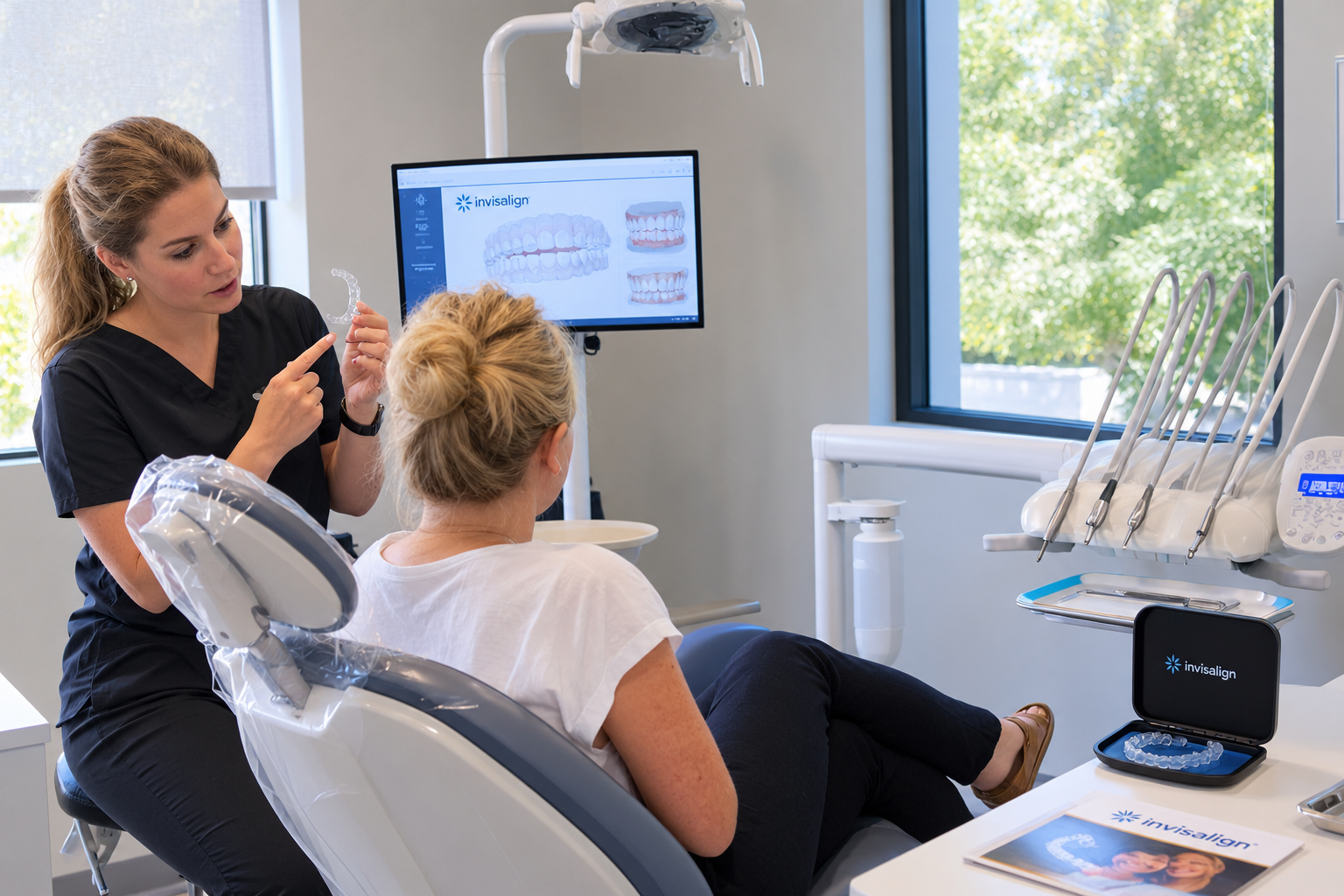
Invisalign aligners can straighten teeth without metal brackets and wires, but many patients still ask one important question: do they hurt? The honest answer is that some mild pressure, tenderness, or soreness can happen, especially when treatment begins or a new tray is introduced. For patients at Amesbury Dental Associates, knowing what to expect can make treatment feel much less stressful.
Key Takeaways
- Mild pressure is common when aligners move teeth.
- Soreness is often strongest during the first few days of a new tray.
- A snug tray is expected, but severe pain is not.
- Good oral hygiene and proper tray care can improve comfort.
- Persistent or unusual pain should be discussed with your dentist.
Do Invisalign Aligners Hurt?
Invisalign aligners usually do not cause severe pain, but they can create pressure or mild discomfort. The trays fit closely over your teeth and guide them toward new positions. Because teeth move gradually, you may notice tenderness in certain areas. The sensation differs from patient to patient. Some people notice little pressure, while others feel soreness when they bite or remove their trays. Mild discomfort does not usually mean treatment is going badly. It can simply mean your teeth are responding to planned movement.
What Does Invisalign Discomfort Feel Like?
Patients often describe Invisalign discomfort as pressure rather than sharp pain. Your teeth may feel tender, tight, or slightly sensitive when you first put in a tray. The feeling can be more noticeable when you chew or take the aligner out.
You may notice:
- Pressure around certain teeth
- Mild soreness when biting
- Tenderness after changing trays
- Minor gum or cheek irritation
These feelings should remain manageable. If pain becomes strong, keeps getting worse, or feels unusual, speak with your dental provider.
Why Do Invisalign Aligners Cause Soreness?
Your teeth are supported by tissues around their roots. When an aligner applies gentle pressure, those tissues adjust as the teeth gradually move. This natural process can cause temporary soreness. The amount of discomfort depends on your treatment plan and how your teeth respond. One tray may feel almost unnoticeable, while another may feel tighter because it guides a different movement. Your experience can also change as treatment progresses.
Does Every New Tray Feel Uncomfortable?
Not necessarily. Some patients notice pressure with every new tray, while others barely notice a change. A new tray is designed for the next stage of movement, so it may feel tighter at first. A close fit is important because the tray needs to stay in the planned position. However, you should not force an aligner that does not fit properly. If a tray will not seat correctly or causes significant pain, contact your dentist.
What Should You Expect From Your First Invisalign Tray?
Your first Invisalign tray may feel strange because you are not used to wearing an appliance over your teeth. You may notice pressure, increased awareness of your teeth, or mild soreness during the first few days. You may also need time to get comfortable putting the tray in and taking it out. Speaking can feel slightly different at first, but most patients become more comfortable as they develop a routine. The first tray is also a good time to learn how your mouth responds. Notice normal pressure, but do not ignore symptoms that seem unusual.
How Long Does Invisalign Soreness Last?
For many patients, mild soreness improves after a few days. The feeling may return briefly when you switch to another tray because your teeth are beginning another stage of movement. There is no exact timeline for everyone. Your sensitivity, treatment plan, and type of tooth movement can affect how you feel. What matters most is that mild discomfort remains manageable and does not keep getting worse. If soreness continues or interferes with eating, sleeping, or daily activities, contact your dentist.
How Can You Reduce Invisalign Discomfort?
Simple habits can make the adjustment period easier. Following your dentist’s instructions is important because your aligners are designed around your individual treatment plan. Keeping your trays clean can also support a healthier mouth while your teeth are moving. Drink water regularly and maintain your brushing and flossing routine. If your teeth feel tender, softer foods may be easier for a short time.
You can also:
- Follow your recommended wear schedule.
- Keep your aligner case with you.
- Remove aligners when eating, as instructed.
- Clean your teeth before replacing your trays.
- Tell your dentist about ongoing discomfort.
These habits can make treatment more comfortable and predictable.
Can Invisalign Cause Gum or Cheek Irritation?
Although Invisalign trays are designed to fit smoothly, some patients notice minor irritation. A new tray may rub against the cheek or gum while your mouth adjusts. This can be more noticeable if an edge feels rough or the tray is not sitting correctly.
Do not make major changes to the tray yourself. Your dentist can check the fit and decide whether an adjustment is needed. If irritation continues, professional advice can help prevent a small problem from becoming more uncomfortable. Good oral hygiene is important too. Keeping your teeth, gums, and trays clean can support comfort during treatment.
Are Clear Aligners for Teeth More Comfortable Than Braces?
Many patients choose clear aligners because they prefer a removable and less noticeable option. Traditional braces use brackets and wires, which can rub against the cheeks or lips. Aligners cover the teeth with a smooth tray instead. That does not mean aligners are completely free from discomfort. Tooth movement can still create pressure and soreness. The main difference is often the type of appliance and how it feels in your mouth. Your dentist can compare treatment options based on your teeth, bite, oral health, and goals. What feels comfortable for one patient may not be best for another.
Who May Be a Good Candidate for Clear Aligners?
A good candidate for clear aligners is usually someone whose dental concerns can be treated safely with this type of appliance. Clear aligners may help with certain spacing, crowding, and bite concerns, but suitability depends on the individual. A dental examination is important before treatment. Your dentist can examine your teeth and gums, review your dental history, and discuss what you want to change about your smile.
At Amesbury Dental Associates, patients can discuss treatment goals and learn whether aligner treatment may fit their needs. A professional evaluation also gives you a chance to ask about comfort, treatment length, and follow-up visits.
When Should You Call Your Dentist About Pain?
Mild pressure is expected, but severe or unusual pain should not be ignored. Contact your dentist if discomfort becomes intense, continues to worsen, or does not improve as expected.
You should also speak with your dental team if:
- An aligner will not fit or seat properly.
- Your gums become badly irritated.
- You notice swelling or significant tenderness.
- Your bite changes unexpectedly.
- A tooth becomes unusually painful.
Your dentist can determine whether the problem is related to the aligner, tooth movement, gum health, or another dental concern. Getting advice early can help keep treatment on track.
What If a New Tray Feels Too Tight?
A new tray can feel snug because it is designed for another stage of tooth movement. Normal pressure is different from significant pain. Do not force a tray into place if it will not fit. Contact your dental provider and explain what you are experiencing. Your dentist can check whether the tray fits properly and decide on the most appropriate next step.
Are Dental Aligners Right for You?
Dental aligners can be a convenient option for patients who want a less noticeable way to improve tooth alignment. However, they are not the right solution for every dental problem. Your dentist needs to evaluate your teeth, gums, bite, and oral health before recommending treatment. Some patients may benefit from aligners, while others may need a different orthodontic approach.
The best choice is one that safely addresses your dental needs and fits your goals. A consultation gives you an opportunity to understand your options before deciding.
Final Thoughts
So, do Invisalign aligners hurt? They can cause mild pressure, tenderness, or soreness, especially when you begin treatment or move to a new tray. For many patients, these feelings are temporary and become easier to manage as they adjust.
You should not expect severe or worsening pain. If something feels unusually painful, a tray does not fit, or irritation continues, contact your dentist. Professional advice can help protect your comfort and keep treatment moving in the right direction. If you are thinking about treatment, contact Amesbury Dental Associates to discuss your smile goals and find out whether aligners are suitable for you.
Frequently Asked Questions
How painful are Invisalign aligners?
Most patients experience pressure or mild soreness rather than severe pain. The feeling is often more noticeable when starting treatment or changing to a new tray.
How long does Invisalign pain last?
Mild discomfort often settles within a few days, although each patient is different. Contact your dentist if pain continues or becomes worse.
Can I eat with Invisalign aligners?
Aligners are generally removed before eating. Follow the instructions provided by your dental team to protect the trays and support good oral hygiene.
What if my aligner hurts my gums?
Minor irritation can happen during adjustment. If a tray continues rubbing your gums or cheeks, ask your dentist to check its fit.
Should I stop wearing Invisalign if it hurts?
Do not stop treatment because of mild pressure without speaking with your dentist. If pain is severe or the tray does not fit correctly, contact your dental provider for advice.