-
-
-
Mon - Thursday: 8:00 am - 5:00 pm
Friday : By Appointment Only (We are closed public holidays)
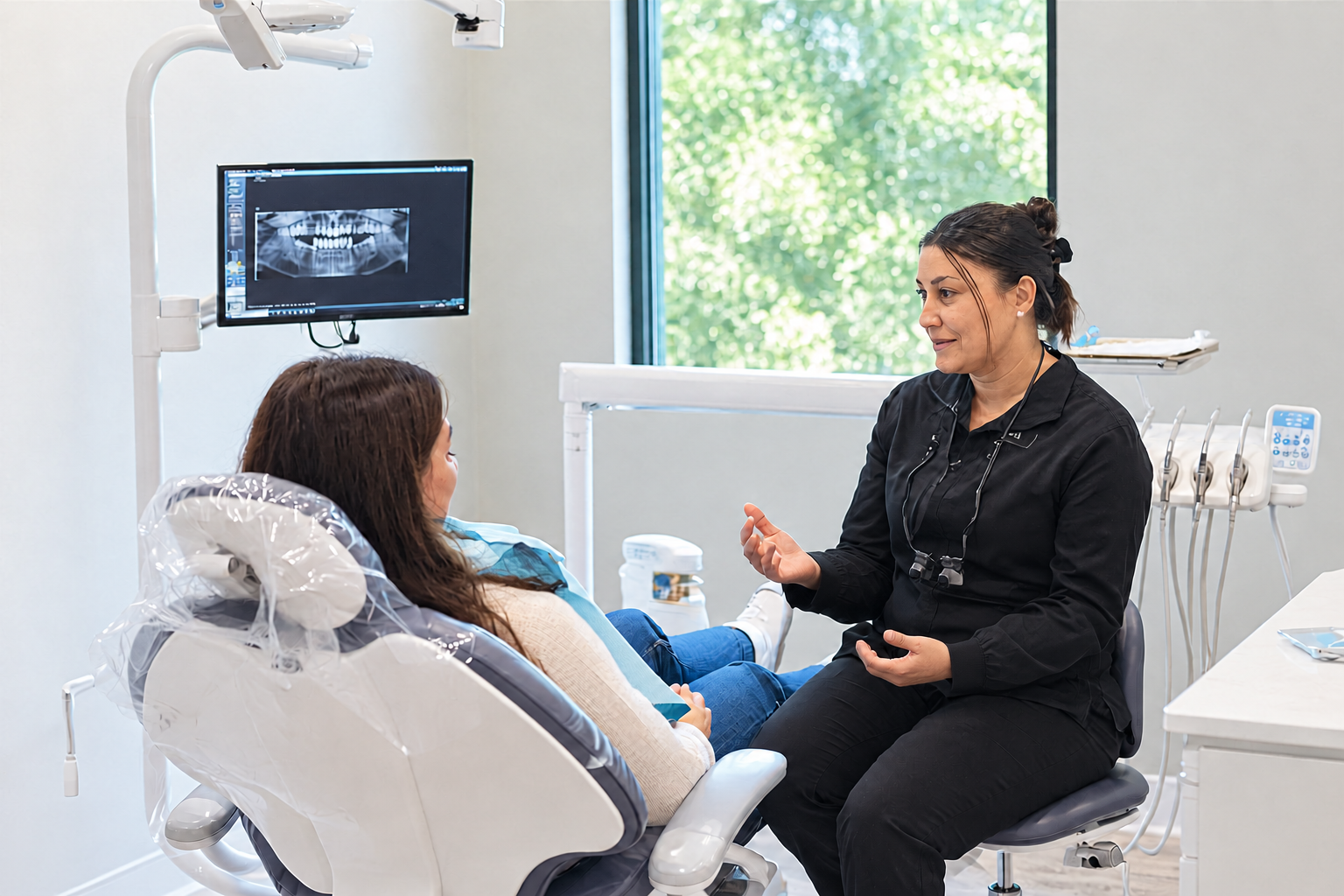
Many people wonder how to feel more relaxed at the dentist for patients who feel tense before an appointment. Dental anxiety can make a routine exam or cleaning feel stressful, especially after a difficult past experience. At Amesbury Dental Associates, patients can discuss their concerns with the dental team and learn ways to feel more comfortable. Understanding what to expect, speaking openly, and using simple calming habits can make dental visits easier.
Key Takeaways
Dental fear does not mean you have to avoid care. Small changes before and during an appointment can help you feel more prepared and in control.
- Tell the dental team about your worries before treatment.
- Ask questions about what will happen.
- Use slow breathing, music, or planned breaks.
- Agree on a hand signal if you need a pause.
- Ask about comfort options if anxiety feels hard to manage.
Why Do Some Patients Feel Anxious at the Dentist?
Dental anxiety can have many causes. Some people remember a painful visit from childhood. Others dislike needles, dental sounds, smells, or the feeling of instruments in their mouth. You may also worry because you do not know what the dentist will find. If you have missed appointments for years, embarrassment can add more stress.
Fear can grow when you feel that you have little control. Knowing that you can ask questions or request a break can change that feeling. The American Dental Association recommends talking with your dentist about anxiety and agreeing on ways to communicate during care.
How to Relax at the Dentist Before Your Appointment
Learning how to relax at the dentist begins before you arrive. Planning can reduce uncertainty and help you feel prepared. Schedule your visit when possible. Arrive early enough to settle in rather than running through the door just before your appointment.
Helpful steps include:
- Choose a time that feels less stressful.
- Avoid arriving rushed or overtired when possible.
- Bring headphones if music helps you relax.
- Write down questions you want answered.
- Tell the team about your anxiety at check-in.
Talk Openly About Your Fear
One of the simplest calming techniques is honest communication. Tell your dentist what makes you uncomfortable. You may be worried about pain, needles, sounds, or a past experience. You may simply dislike not knowing what happens next. Your dental team can explain the procedure before treatment begins. You can also ask the dentist to describe each step. For some patients, knowing what comes next makes the appointment feel more predictable. Amesbury Dental Associates provides general and restorative care. Talking about your concerns helps the team support you.
Use Breathing and Other Calming Techniques
When you feel anxious, your body may become tense. Your heart may beat faster, your shoulders may tighten, or your breathing may become shallow. Simple calming techniques can help you focus on the present instead of imagining the worst outcome.
Slow breathing is one option. Breathe in gently and then breathe out slowly. Repeat for several breaths while keeping your shoulders relaxed. You can practice at home so the method feels familiar during your appointment.
Other options include:
- Listening to calming music through headphones
- Relaxing your hands and shoulders
- Focusing on slow, steady breathing
- Thinking about a peaceful place
- Taking a short break when needed
Agree on a Signal for a Break
Patients sometimes worry that they cannot stop a procedure once it begins. A simple hand signal can provide more control. Before treatment starts, agree that raising your hand means you need the dentist to pause. A short break can let you relax your jaw, breathe, ask a question, or prepare for the next step. This can be especially helpful when you feel nervous during dental appointments because you have a clear way to communicate.
Ask Questions About Your Treatment
Uncertainty can make dental anxiety worse. If you do not understand why a procedure is recommended, ask your dentist to explain it. You can ask what will happen, how long the appointment may take, and what sensations you may notice.
Questions can also help you understand which care is urgent and which can be planned. When you know the next step, treatment may feel less overwhelming. Your dentist can explain your options and help you make informed decisions.
Can Sedation Dentistry Help With Dental Anxiety?
For some patients, sedation dentistry may be considered when fear is difficult to manage with communication and relaxation methods alone. Sedation can involve different approaches, and the right option depends on treatment, medical history, and individual needs.
The American Dental Association explains that dentists may use different types of sedation and anesthesia to help manage pain and anxiety. Patients should discuss the benefits, risks, and suitability of any option with their dental professional.
Ask About Comfort Options
If your anxiety is strong, ask what comfort options may be available. You do not have to assume that you must tolerate severe fear. Your dentist can review your concerns and explain suitable approaches. Amesbury Dental Associates offers preventive and restorative care. If you are concerned about treatment, ask the team what you can expect before the procedure. A clear plan can help reduce surprises and give you more control.
What If You Have Avoided the Dentist for Years?
Some people become more anxious after missing appointments. You may worry that your teeth need major treatment or that the dentist will judge you. These feelings are understandable, but avoiding care can allow dental problems to grow. Start by being honest. Tell the dental team that you have been away from dental care and feel nervous about returning. You do not need to apologize. Your first visit can focus on understanding your oral health and deciding what should happen next.
Focus on One Step at a Time
Try not to imagine every possible treatment before your first appointment. Your first goal can simply be attending the visit and learning about your oral health. Once you know what needs attention, you and your dentist can create a plan.
If you need tooth restoration services, ask the dentist to explain each stage before you begin. Understanding the purpose of treatment and what you may experience can make a larger procedure easier to manage.
Why Regular Dental Care Can Reduce Anxiety
Regular dental visits can make the office feel more familiar. Over time, you may become more comfortable with the team, sounds, and routine. Preventive visits can also help identify problems early, which may reduce the need for more complex treatment later.
Amesbury Dental Associates provides preventive dental care that includes exams and cleanings. Keeping up with recommended visits can support healthier teeth and gums while giving you more opportunities to build trust.
A simple routine can include:
- Brush twice each day.
- Clean between your teeth as recommended.
- Keep scheduled dental visits.
- Report new pain, swelling, or sensitivity.
- Follow your dentist’s home-care instructions.
What If You Notice a Problem Between Visits?
Do not wait for your next routine visit if you notice a change in your mouth. Pain, swelling, bleeding, or sensitivity may have several causes. For example, if you have gums inflamed after flossing, tell your dental team rather than assuming the cause.
Clear communication helps your dentist understand what you are experiencing. It can also prevent you from spending days worrying about whether a symptom is serious. A professional evaluation can provide clearer guidance.
Choose a Dental Team You Trust
Feeling respected and heard can make a major difference when you are nervous during dental appointments. Look for a team that allows you to ask questions and explain your concerns without feeling rushed. Trust often grows over several visits, so do not expect every fear to disappear immediately. Amesbury Dental Associates serves patients with general and restorative dental needs and emphasizes personal care. A comfortable relationship with your dental team can make it easier to discuss pain, anxiety, treatment choices, and home care.
When Should You Ask for Extra Help?
If dental anxiety causes you to cancel appointments, avoid needed treatment, or feel extreme distress, tell your dentist. Strong fear deserves attention just like other oral health concerns. You do not have to manage it silently. Your dental professional can discuss ways to make appointments more comfortable. Depending on your needs, this may involve extra explanations, breaks, relaxation methods, pain-control planning, or sedation options. Any decision should be based on your health, procedure, and individual circumstances.
Final Thoughts
Learning how to relax at the dentist can make visits easier and less stressful. Preparation, deep breathing, music, clear communication, and breaks can help you feel more comfortable and in control. If dental anxiety is affecting your care, talk to your dental team. With the right support, appointments can become more manageable. Ready to make your next visit more comfortable? Contact Amesbury Dental Associates to discuss your concerns and schedule an appointment.
Frequently Asked Questions
Can I tell my dentist I am scared?
Yes. Let your dental team know before treatment starts so they can help you feel more comfortable.
Should I eat before a dental appointment?
Unless your dentist gives different instructions, a light meal can help you avoid feeling weak or uncomfortable during your visit.
Can music help during dental treatment?
Yes. Listening to calming music through headphones can distract you from dental sounds and reduce stress.
What should I do if I feel overwhelmed?
Use your agreed hand signal and ask for a short break. A few slow breaths can also help you settle.
Can dental anxiety get better over time?
Yes. Regular visits, positive experiences, and good communication can gradually make dental appointments feel easier.