-
-
-
Mon - Thursday: 8:00 am - 5:00 pm
Friday : By Appointment Only (We are closed public holidays)
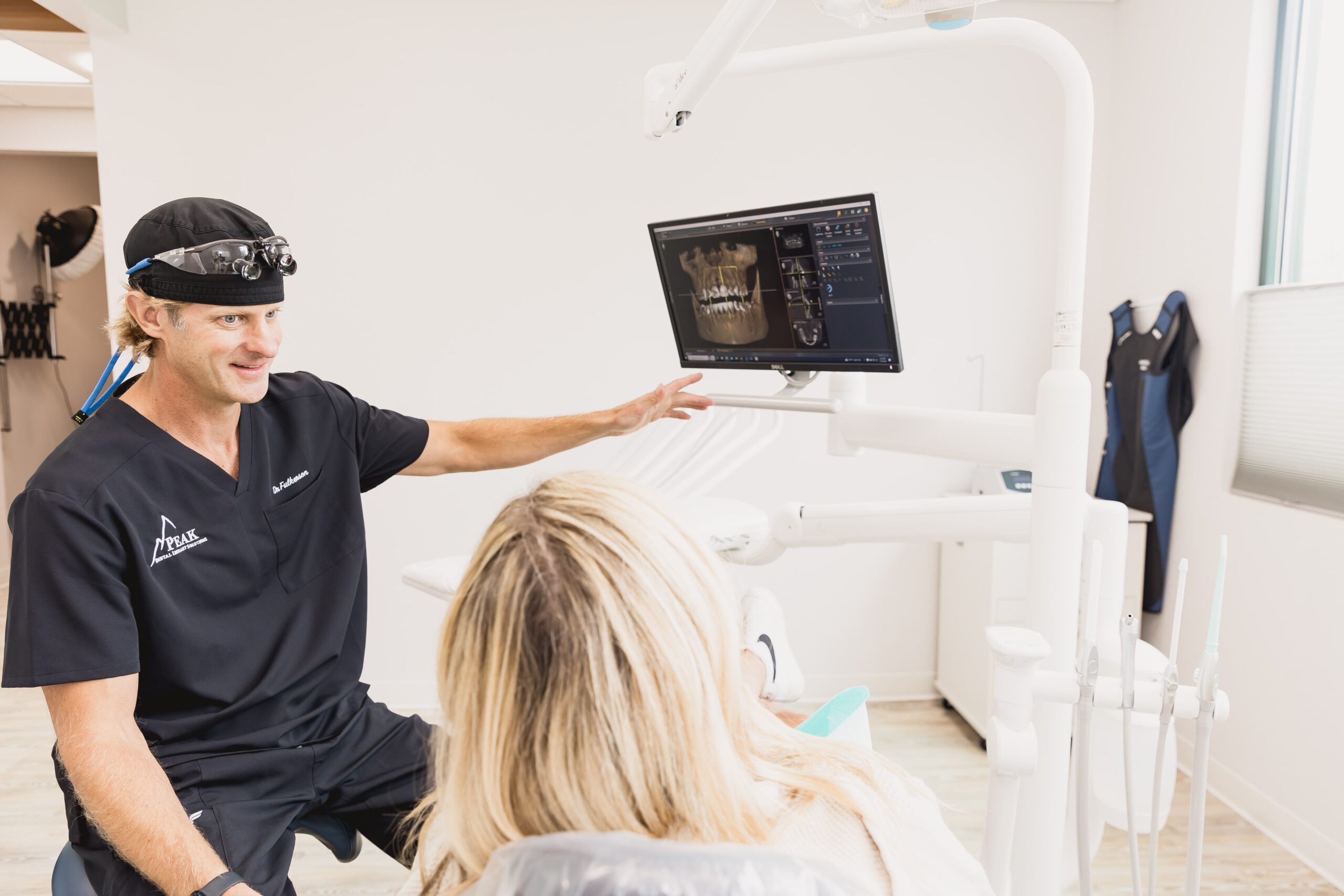
Implant supported dentures can give people with missing teeth a more stable and comfortable way to restore their smile. Unlike traditional dentures that rest mainly on the gums, these dentures are held in place by dental implants. At Amesbury Dental Associates, patients can discuss their needs, goals, and oral health to learn whether this treatment may be a good fit.
Losing several or all of your teeth can affect more than your smile. It may make eating harder, change how you speak, or lower your confidence. Fortunately, modern dentistry offers several ways to replace missing teeth. At Amesbury Dental Associates, patients can explore implant-supported dentures as an option for achieving more stability without needing a separate implant for every missing tooth.
Key Takeaways
Implant-supported dentures can offer a more secure way to replace several or all missing teeth. They use dental implants to support a denture, which may help improve comfort and confidence during daily activities.
- They can reduce unwanted denture movement.
- They may make eating and speaking more comfortable.
- They can be removable or fixed, depending on the treatment plan.
- Your dentist will check your oral health and jawbone before recommending them.
- Treatment costs vary based on your individual needs.
What Are Implant-Supported Dentures?
Implant-supported dentures are replacement teeth attached to dental implants placed in the jaw. The implants act as anchors, helping hold the denture in position. Instead of depending only on suction, gum support, or adhesive, the denture receives support from implants. This can make the restoration feel more secure during everyday activities such as eating and speaking.
The term may also include implant dentures, snap-in dentures, or implant-retained dentures, depending on the design. Some versions can be removed by the patient for cleaning, while others are designed to stay in place and require professional removal.
What Are the Benefits of Implant-Supported Dentures?
The main benefit of implant-supported dentures is improved stability. Traditional dentures can sometimes shift when a person eats, talks, laughs, or opens their mouth widely. Implants provide additional support and can help keep the denture from moving as much. This may make daily activities easier and give patients more confidence.
Other potential benefits include:
- A more secure feeling than traditional dentures.
- A restoration designed around your mouth and needs.
Implants can support a denture without requiring an implant for every missing tooth. This differs from replacing each tooth individually with an implant and crown.
Who May Need Implant-Supported Dentures?
People who have lost most or all of their natural teeth may be candidates for implant-supported dentures. They can be especially appealing to patients who already wear dentures but are unhappy with movement, discomfort, or difficulty eating certain foods. However, missing teeth do not automatically mean implants are the right choice.
For patients considering custom dental implants in Amesbury, a dental evaluation can determine whether this treatment is suitable. Your dentist may consider:
- Available jawbone and gum health.
- Overall health and healing ability.
- Tobacco use.
- Ability to maintain oral hygiene.
- Treatment goals and expectations.
Implant-Supported Dentures vs. Traditional Dentures
Traditional dentures can replace several or all missing teeth without implant surgery. However, some patients find that conventional dentures move during eating or speaking. Implant-supported options add anchors beneath the denture, which can provide greater stability.
The better choice depends on your needs. A dentist can compare comfort, function, oral health, treatment time, maintenance, and cost before you decide.
Key differences include:
- Traditional dentures rest mainly on the gums.
- Implant-supported dentures receive added implant support.
- Traditional dentures do not require implant surgery.
- Both options need regular cleaning and dental care.
What Are Overdentures?
Overdentures are dentures that receive support from implants or, in some cases, remaining natural teeth. When implants are used, the denture connects to attachments that help keep it in position. This design is often removable, allowing the patient to take the denture out for daily cleaning.
For many patients, an overdenture can offer a middle ground between conventional dentures and fixed implant restorations. The number and position of implants depend on your anatomy and treatment plan.
How Much Do Implant-Supported Dentures Cost?
The cost of implant-supported dentures can vary because every treatment plan is different. The total price may depend on the number of implants, type of denture, need for bone treatment, imaging, extractions, laboratory work, and follow-up appointments.
Your dental office can provide a more accurate estimate after an examination and treatment discussion. Ask what is included in the quoted price and whether additional procedures could change the total.
Factors that may affect cost include:
- Number of implants.
- Type and material of the denture.
- Imaging and laboratory work.
- Temporary or final restorations.
- Insurance or financing options.
What Is the Treatment Process Like?
Treatment usually begins with a consultation and detailed examination. Your dentist will review your oral health, discuss your concerns, and determine whether implants can provide a suitable foundation. Imaging may be used to evaluate the jaw and plan implant placement.
If implants are recommended, they are placed into the jaw and given time to heal when necessary. Once healing is complete, the dental team can design and attach the denture. Adjustments may be made to improve comfort, fit, and function.
What Happens During the Consultation?
During your consultation, expect a discussion about your current denture experience, missing teeth, medical history, and treatment goals. Your dentist may examine your gums and jaw and use imaging when needed. This is also a good time to ask about treatment time, comfort, maintenance, cost, and other tooth replacement options.
Useful questions include:
- How many implants might I need?
- Will my denture be removable?
- Do I need additional treatment?
- How long could treatment take?
- How should I care for the restoration?
How Should You Care for Implant Dentures?
Good daily care is important after treatment. Even though the replacement teeth are not natural teeth, the surrounding gums and implant areas still need attention. Food and plaque can collect around attachments and tissues, so following your dentist’s cleaning instructions is essential.
Your routine may include:
- Cleaning the denture as directed.
- Brushing your gums and tongue gently.
- Cleaning around implant attachments.
- Attending regular dental examinations.
If your restoration becomes loose, damaged, uncomfortable, or difficult to clean, contact your dental office. Do not try to repair or adjust it yourself.
Are Full Mouth Dental Implants the Same as Implant-Supported Dentures?
Full mouth dental implants and implant-supported dentures can both replace many or all missing teeth, but they are not the same treatment. Full-mouth implant treatment may involve several implants supporting individual crowns or a fixed full-arch restoration. Implant-supported dentures use implants to stabilize a denture.
The right option depends on your bone structure, oral health, goals, budget, and preferred type of restoration. A consultation can help you understand which approach fits your situation.
How Do Implant-Supported Dentures Compare With Other Options?
There is no single solution for every patient with missing teeth. Some people may benefit from traditional dentures, while others may be candidates for bridges, individual implants, or implant-retained restorations. The condition of your remaining teeth, gums, and jawbone plays an important role in the decision.
A dental professional can help compare conventional dentures, bridges, individual implants, and fixed implant restorations. If you are also considering cosmetic services such as best teeth whitening, remember that whitening is different from replacing missing teeth.
Conclusion
Implant-supported dentures can be a useful solution for people who want more stability than traditional dentures may provide. By using implants as anchors, these restorations can help reduce movement and make daily activities such as eating and speaking feel more comfortable.If you are looking for a dentist in Amesbury MA and are considering a more stable solution for missing teeth, schedule a consultation with Amesbury Dental Associates to discuss your options.
Ready to explore your options? Contact Amesbury Dental Associates today to schedule a consultation and take the next step toward a more comfortable, confident smile.
Frequently Asked Questions
Can I remove implant-supported dentures?
Some implant-supported dentures are designed to be removable by the patient. Others are fixed and require a dentist to remove them. The design depends on your treatment plan and restoration type.
How long do implant-supported dentures last?
The denture and implants have different maintenance needs and lifespans. Regular dental visits, proper cleaning, and good oral habits can help protect the restoration and surrounding tissues.
Do implant-supported dentures feel natural?
They may feel more secure than conventional dentures because implants provide added support. However, there is usually an adjustment period as your mouth becomes familiar with the restoration.
Can I get implants if I have bone loss?
Bone loss does not always rule out implant treatment. Your dentist will evaluate the available bone and may discuss additional procedures if more support is needed before implant placement.
How do I know which option is best for me?
The best option depends on your oral health, bone condition, goals, budget, and lifestyle. A dental examination is the most reliable way to compare treatments.