-
-
-
Mon - Thursday: 8:00 am - 5:00 pm
Friday : By Appointment Only (We are closed public holidays)
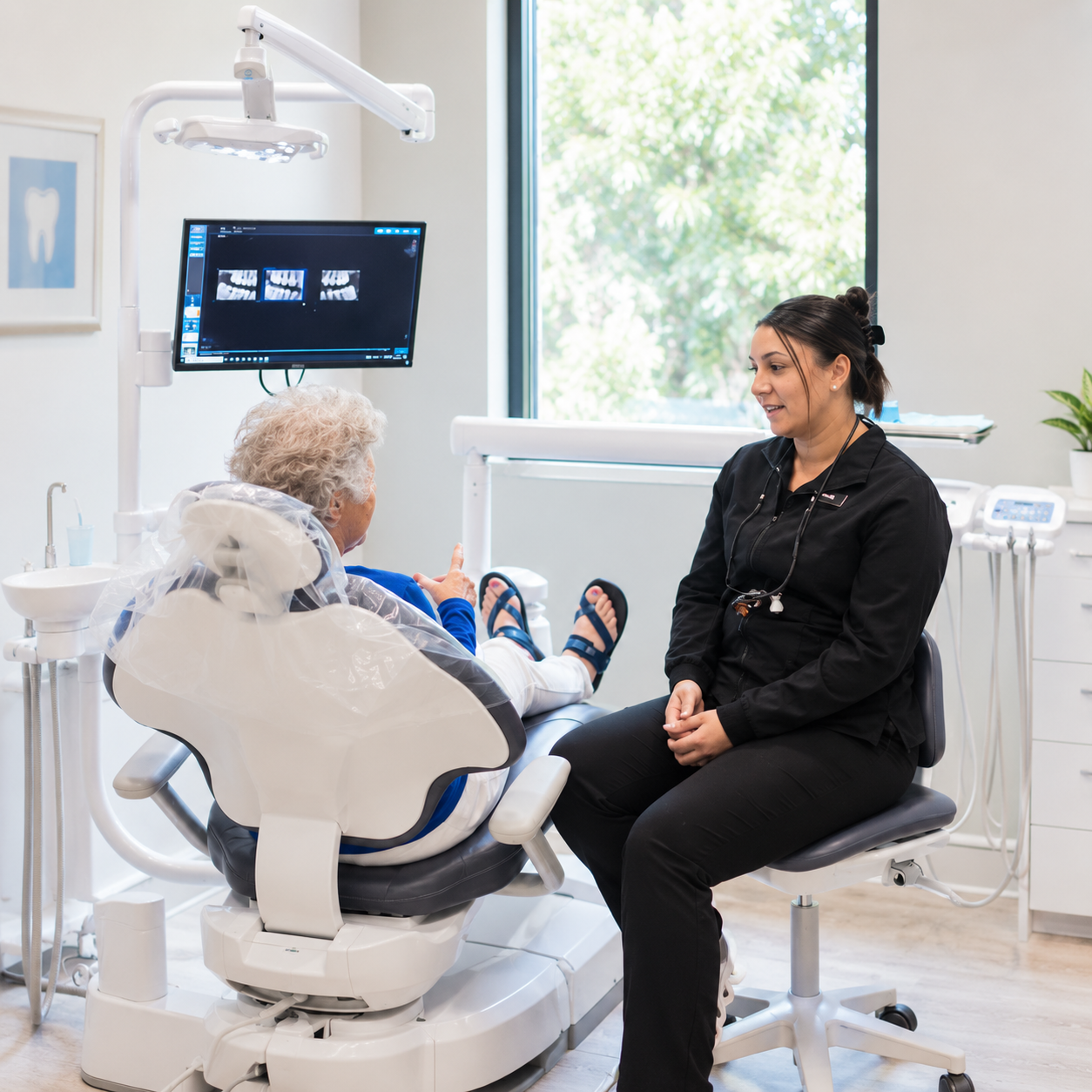
Soft teeth can be a sign that your enamel is losing strength or that the inner part of a tooth is becoming more exposed. You may notice sensitivity when eating something cold, hot, sweet, or sour. Some people may also see chips, worn areas, or changes in the shape of their teeth. At Amesbury Dental Associates, patients can get a dental exam to find out what is causing these changes and how to protect their smile.
Having teeth that feel weak does not always mean your teeth are naturally soft. Enamel is the hard outer layer that protects each tooth, but it can wear down over time. Acid from food and drinks, tooth decay, grinding, and poor oral care can all play a role. Finding the cause early can help prevent further damage and keep your teeth strong.
Key Takeaways
- Soft teeth may be linked to enamel wear, tooth decay, acid exposure, or grinding.
- Sensitivity to hot, cold, sweet, or sour foods can be a warning sign.
- Good oral hygiene and fluoride can help protect enamel.
- Limiting acidic and sugary foods may reduce the risk of enamel damage.
- A dentist can identify the cause and recommend the right treatment.
What Are Soft Teeth?
Soft teeth is not a formal dental diagnosis. People often use the term to describe teeth that seem weak, sensitive, worn, chipped, or easy to damage. In many cases, the concern is linked to weakened enamel rather than the entire tooth becoming soft.
Enamel is the outer layer of a tooth. It protects the more sensitive layers underneath. Once enamel becomes thin or damaged, the tooth may become more sensitive. Decay can also create weak areas that may eventually break or form cavities.
What Can Make Teeth Feel Soft?
Several issues can make teeth seem weaker than normal:
- Enamel wear from repeated acid exposure
- Tooth decay and cavities
- Grinding or clenching the teeth
- Aggressive brushing
- Frequent sugary foods and drinks
- Dry mouth and reduced saliva
- Certain medical or dental conditions
Early attention matters because some types of enamel damage cannot simply grow back. A dentist can check whether the problem is enamel wear, decay, a crack, or another dental concern.
What Causes Soft Teeth?
There is rarely one single cause. Instead, several habits or conditions may affect tooth strength over time. Understanding the possible causes can help you make better choices for your oral health.
Enamel Erosion
One of the most common concerns is enamel erosion. This happens when acids gradually wear away the mineral structure of enamel. Acid can come from foods and drinks such as soda, sports drinks, citrus fruits, and fruit juices. Stomach acid from reflux or frequent vomiting can also contribute.
Tooth Decay
Tooth decay can also make a tooth weak. Bacteria in plaque use sugars and starches to produce acids. These acids can remove minerals from enamel. Over time, continued mineral loss can lead to a cavity.
Grinding and Clenching
Grinding your teeth, especially while sleeping, can place heavy pressure on enamel. Over time, this may lead to flattened surfaces, chips, cracks, and brittle teeth. Some people grind without knowing they do it.
Morning jaw soreness, worn tooth surfaces, headaches, or unexplained sensitivity may be signs of grinding. A dentist can check your teeth for patterns that suggest repeated pressure.
Poor Oral Hygiene
Plaque that remains on the teeth can increase the risk of decay and gum problems. Skipping brushing or cleaning between your teeth allows bacteria to remain around the tooth surfaces.
What Are the Symptoms of Soft Teeth?
The signs can vary depending on what is causing the problem. Some people notice only mild tooth sensitivity, while others may see visible changes in their teeth.
Common Signs to Watch For
You may notice:
- Sensitivity to hot or cold foods
- Pain when eating sweet or sour foods
- Teeth that chip more easily
- Rough or uneven tooth surfaces
- Yellow areas where enamel has become thinner
- Flattened or worn tooth edges
- Increased discomfort while brushing
- New cracks or small fractures
Sensitivity does not always mean that enamel is damaged. Gum recession, cavities, cracks, and other dental problems can cause similar symptoms. That is why persistent sensitivity should be checked rather than ignored.
Can Calcium Deficiency Cause Soft Teeth?
Calcium plays an important role in building and maintaining strong bones and teeth. However, assuming that every case of weak enamel is caused by a calcium deficiency can be misleading.
Tooth strength depends on several factors, including enamel development, fluoride exposure, saliva, diet, oral hygiene, acid exposure, and genetics. Adults who suddenly develop sensitivity may have enamel erosion, decay, gum recession, or another dental issue rather than a simple lack of calcium.
If you are concerned about your calcium intake, talk with a healthcare professional before taking supplements. A balanced diet can provide many of the nutrients needed to support overall health.
How Is Soft Enamel Treated?
Treatment depends on why the tooth is weak or sensitive. Your dentist may first examine your teeth, gums, bite, and areas of enamel wear. X-rays may also be used when decay or other problems need to be checked.
Fluoride and Remineralization
Fluoride can help strengthen enamel and support the repair of early mineral loss. It is found in many toothpastes and may also be provided through professional treatments.
However, enamel repair has limits. Enamel that has been permanently worn away does not simply grow back. The goal is often to protect the remaining enamel, stop the cause of damage, and restore areas that have already been affected.
Dental Restorations
When a tooth has significant damage, your dentist may recommend a restoration. Depending on the problem, treatment may include a filling, bonding, crown, or another restorative option.
Restorations can help protect weakened areas and improve the shape and function of damaged teeth. The best option depends on how much tooth structure remains and what caused the damage.
Managing Tooth Sensitivity
If sensitivity is the main concern, your dentist may recommend changes to your brushing routine or a toothpaste made for sensitive teeth. Fluoride treatments may also be considered when appropriate.
How Can You Prevent Soft Teeth?
Preventing enamel damage is easier than trying to correct severe wear later. Small daily habits can make a meaningful difference.
Protect Your Enamel Every Day
Consider these simple habits:
- Brush twice a day with fluoride toothpaste.
- Clean between your teeth every day.
- Limit frequent acidic and sugary drinks.
- Drink water throughout the day.
- Avoid brushing too hard.
- Ask your dentist about fluoride treatments if you have a higher risk of decay.
- Wear a custom mouthguard if grinding is damaging your teeth.
After consuming acidic foods or drinks, avoid brushing immediately. Give your mouth some time before brushing so you do not add extra physical wear to enamel that has recently been exposed to acid.
Choose Foods That Support Healthy Teeth
Your diet affects your mouth in many ways. Frequent exposure to sugar and acid can increase the risk of enamel damage and tooth decay. Water is a simple choice between meals and after acidic drinks.
A balanced diet that includes nutrient-rich foods can also support healthy teeth & gums. If you have a dry mouth, frequent reflux, or another condition that affects your oral health, speak with your dentist about ways to reduce the risk of enamel damage.
When Should You See a Dentist?
Occasional sensitivity may not be serious, but new or worsening symptoms deserve attention. A dentist can determine whether the problem comes from enamel wear, decay, gum recession, grinding, or another condition.
You should schedule a dental visit if you have:
- Persistent or increasing sensitivity
- Teeth that chip or crack easily
- Visible enamel wear
- Pain when chewing
- A tooth that suddenly changes color
- A cavity or visible hole
- Frequent jaw soreness from grinding
Early care can help prevent a small problem from becoming more complicated. Your dentist can also suggest ways to protect your teeth based on your specific risk factors.
Can Cosmetic Treatments Help Damaged Teeth?
If enamel wear has changed the appearance of your smile, cosmetic treatment may sometimes be considered after the underlying problem is controlled. For example, a dentist may discuss bonding, veneers, or other cosmetic dental restorations when appropriate.
It is important to address the cause of enamel damage first. Cosmetic treatment does not prevent new erosion, decay, or grinding. Your dentist can help determine whether a cosmetic option is safe and suitable for your teeth.
Similarly, people with enamel concerns should discuss whitening before starting a dental whitening treatment. Whitening may not be the best first step when teeth are already sensitive or enamel is significantly worn.
How Can You Keep Enamel Healthy?
Strong enamel depends on daily care and regular dental visits. You cannot completely control every factor that affects enamel, but you can reduce many common risks.
A simple routine includes fluoride toothpaste, gentle brushing, daily cleaning between the teeth, and fewer acidic or sugary exposures. Regular dental exams also make it easier to identify early signs of decay or enamel wear.
Simple Habits for Stronger Teeth
Keep these habits in mind:
- Brush gently twice a day.
- Use fluoride toothpaste.
- Clean between teeth daily.
- Drink water often.
- Reduce frequent acidic drinks.
- Avoid using teeth to open packages.
- Address grinding or clenching.
- Keep regular dental appointments.
These steps can help protect the enamel you have and reduce the chance of future damage.
Conclusion
Soft teeth and ongoing sensitivity should not be ignored. Although enamel is very strong, repeated acid exposure, decay, grinding, and other factors can weaken or wear it down. Recognizing the signs early gives you a better chance of protecting your remaining tooth structure. If you are experiencing tooth sensitivity, enamel wear, or concerns about soft teeth, contact Amesbury Dental Associates today to schedule a dental evaluation and discuss the best way to protect your smile.
Frequently Asked Questions
Can soft teeth become strong again?
Early enamel damage may improve with fluoride and better oral care, but lost enamel cannot grow back.
Does drinking water help protect teeth?
Yes. Water helps wash away food and acids and supports a healthier mouth.
Are soft teeth more likely to get cavities?
Weakened enamel can make teeth more vulnerable to decay, especially with frequent sugar and acid exposure.
Can brushing too hard damage enamel?
Yes. Aggressive brushing can contribute to enamel wear and gum recession over time.
Do soft teeth always need dental treatment?
Not always. Treatment depends on the cause, severity, and overall condition of your teeth.